How to Fix a Crumbling Brick Wall: Tuckpointing, Spalling Brick Repair, Sealant, and Efflorescence (2026)
Crumbling mortar joints and spalling bricks are not just cosmetic — they allow water into the wall cavity and accelerate structural deterioration. This guide covers diagnosing the problem, raking and tuckpointing failed mortar joints, replacing spalling bricks, removing efflorescence, and when to apply masonry sealant.
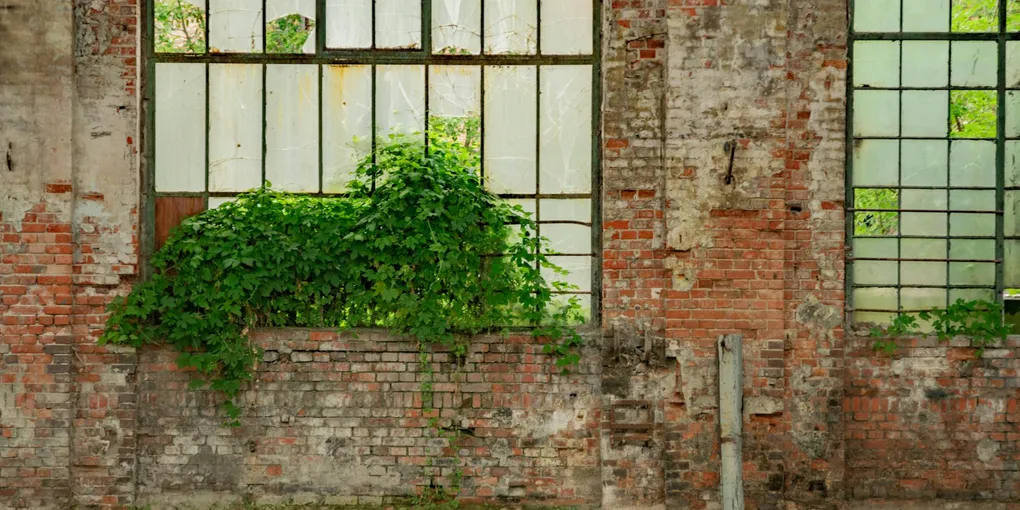
To fix a crumbling brick wall: (1) Rake out all failed mortar to a depth of 3/4 inch using a grinder or oscillating tool with a mortar rake blade. (2) Dampen the joint and pack in new mortar that matches the original mix (do not use Portland cement-only mix on old brick — use a lime-based mortar). (3) For spalling bricks, remove the damaged brick with a chisel, clean the cavity, and set a replacement brick in fresh mortar. (4) Remove efflorescence (white salt staining) with a dilute muriatic acid wash before sealing. (5) Apply a breathable masonry water repellent (not a film-forming sealer) to protect the repointed wall.
Frequently Asked Questions
What is tuckpointing and is it the same as repointing?
Repointing (also called pointing or tuckpointing in the US) is the process of removing deteriorated mortar from brick joints and filling them with fresh mortar. Technically, 'tuckpointing' refers to a decorative technique with two different mortar colors — the base mortar flush with the brick face, plus a thin contrasting line. In common American usage, 'tuckpointing' and 'repointing' are used interchangeably to mean the same thing: removing old mortar and replacing it with new. The critical rule for repointing old masonry: the new mortar must be softer and more flexible than the brick. Old brick (pre-1930) was laid in lime mortar that is intentionally weaker than the brick — this allows the mortar to flex and erode as the sacrificial element, protecting the brick. Repointing with high-Portland-cement mortar (Type S or N without added lime) on old brick creates a joint that is harder than the brick, causing spalling and cracking of the brick faces when the wall moves.
How do I match the mortar color when repointing?
Mortar color matching involves two components: the mortar mix ratio and any added pigment. (1) Take a sample of the existing mortar (chip out a small piece) to a masonry supply house — they can often match the color. (2) Mortar color is primarily determined by the sand used. Gray sand produces gray mortar; tan or buff sand produces lighter mortar. Obtain sand from the same general region as the original building when possible. (3) Pigment powders (iron oxide-based) are added to the mortar mix to shift the color. These are available at masonry suppliers and are mixed in precise ratios by weight. (4) Test your mix on a small inconspicuous area, allow it to fully cure (28 days for full color development), and evaluate the match in natural light before committing to the full wall. (5) Freshly placed mortar is always lighter than cured mortar — do not evaluate color while the mortar is still wet or even after just a few days.
What is the correct mortar mix for repointing old brick?
Mortar type by building age: (1) Brick built before 1930: Use Type O mortar or a custom lime-putty mortar. These are high-lime, low-Portland mixes (ratio approximately 1 part Portland : 2 parts hydrated lime : 9 parts sand by volume). The high lime content makes the mortar soft and flexible — appropriate for soft historic brick. (2) Brick built 1930–1960: Type N mortar is generally appropriate (1 part Portland : 1 part lime : 6 parts sand). (3) Brick built after 1960 (harder modern brick): Type S or Type N mortar is appropriate. (4) Never use pure Portland cement mortar (no lime) on historic or soft brick — it will cause the brick faces to spall. Lime content is essential for flexibility. (5) Pre-mixed mortar sold at big box stores labeled 'Type S' is typically high-Portland and too hard for pre-1930 brick. For historic masonry, source appropriate materials from a masonry supply house.
How do I remove and replace a spalling brick?
Brick replacement procedure: (1) Assess whether the brick is truly spalling (the face layer delaminating off) or just surface-scaled — surface scaling can sometimes be stabilized with consolidant rather than full replacement. (2) Using a cold chisel and hammer (or angle grinder with diamond blade), cut the mortar joints on all four sides of the damaged brick down to the bed mortar beneath. Work carefully to avoid damaging adjacent bricks. (3) Once the joints are cut through, break the damaged brick into pieces with the chisel and remove the fragments from the cavity. (4) Clean the cavity thoroughly with a wire brush and vacuum. Remove all old mortar from the sides and back of the opening. (5) Wet the cavity and surrounding brick with water — this prevents the dry masonry from sucking water from the new mortar too quickly. (6) Butter the back and sides of the replacement brick with mortar. Slide it into the opening, press firmly, and tap flush with the surrounding wall. Pack mortar into the head joints (the vertical ones) on both sides. Tool the joints to match the profile of the existing wall. (7) Allow to cure, keeping it damp for 3 days.
What is efflorescence and how do I remove it?
Efflorescence is the white, powdery or crystalline deposit that appears on brick and mortar surfaces when water moves through the masonry, dissolves soluble salts, and deposits them on the surface as it evaporates. It is a sign that water is moving through the wall. Removal: (1) For light efflorescence: Dry-brush with a stiff natural-bristle or nylon brush to remove the loose salts. Many masonry sources recommend dry removal first — wetting the surface can drive salts deeper. (2) For heavy or persistent efflorescence: Mix a solution of one part muriatic acid to 10 parts water (add acid to water, never the reverse). Wet the masonry thoroughly with plain water first, then apply the acid solution with a stiff brush. Allow it to react for 2–3 minutes. Neutralize with a baking soda and water solution (1 cup per gallon), then rinse thoroughly. Wear chemical goggles, rubber gloves, and acid-resistant clothing. Work in ventilated conditions. (3) Commercial efflorescence removers (phosphoric acid-based) are less hazardous than muriatic acid and effective for moderate staining. (4) After removal, address the water infiltration source — efflorescence recurs if the underlying moisture problem is not fixed.
Should I seal a brick wall after repointing, and what type of sealer is correct?
Masonry sealer selection is critical — using the wrong sealer can trap moisture inside the wall and cause more damage than no sealer. (1) Use only a breathable (penetrating) water repellent, also called a siloxane or silane-siloxane sealer. These penetrate the masonry and repel liquid water while still allowing water vapor to escape. Brands like Siloxane PD, Rainstopper, and similar products fall into this category. (2) Do NOT use film-forming sealers (epoxy coatings, elastomeric waterproofers, or acrylic surface coatings) on exterior brick. These trap vapor inside the wall, causing spalling when moisture freezes behind the coating or when vapor pressure builds. (3) Wait at least 28 days after repointing before applying any sealer — the mortar must fully cure first. (4) In many cases, properly repointed brick does not need sealer at all — sound mortar is the primary water defense. Sealer is most useful on north-facing walls, walls in very wet climates, and walls that show a history of water infiltration despite sound mortar.
To fix a crumbling brick wall: (1) Rake out all failed mortar to a depth of 3/4 inch using a grinder or oscillating tool with a mortar rake blade. (2) Dampen the joint and pack in new mortar that matches the original mix (do not use Portland cement-only mix on old brick — use a lime-based mortar).
Brick is one of the most durable building materials available, but the mortar joints that hold it together have a finite lifespan — typically 25–50 years. When the mortar crumbles, water enters, and the damage accelerates exponentially. Repointing is one of the most important maintenance tasks on a masonry building.
What You Need
For a complete tuckpointing and brick repair project, gather the following before starting.
- Angle grinder with diamond mortar raking blade — fastest tool for removing deteriorated mortar from joints
- Pre-mixed mortar for repointing (Type N, lime-based) — for most residential brick built after 1930
- Efflorescence remover (phosphoric acid-based) — removes white salt staining before sealing
- Penetrating siloxane masonry water repellent — breathable sealer for protection after repointing
- Brick replacement (standard modular 2-1/4 x 3-3/4 x 8 inch) — for replacing spalling or missing bricks
- Masonry trowel and joint finishing tool set — for packing and finishing mortar joints
Step 1: Assess the Wall
Walk the full extent of the wall and note:
Mortar joint failure types:
- Recessed joints: Mortar has eroded back 1/4 inch or more from the brick face. This is the most common type of deterioration — normal weathering over decades. Requires repointing.
- Crumbling mortar: Mortar is soft and comes out easily when probed with a screwdriver or key. Requires repointing and investigation of whether water infiltration is accelerating the deterioration.
- Missing mortar: Joints are completely open. Water has direct entry. Priority repair.
- Cracked mortar: Linear cracks following the joint pattern, or diagonal stairstep cracks crossing multiple joints. Stair-step cracks indicate foundation movement or differential settlement — address the movement source before repointing, or the new mortar will crack again.
Brick failure types:
- Spalling: The face of the brick has delaminated and broken off, exposing the interior. Common on low-quality brick, brick that has been sealed with a non-breathable sealer, or freeze-thaw-damaged brick.
- Cracking: Through-brick cracks. Individual cracked bricks can be replaced; patterns of cracking suggest structural movement.
- Efflorescence: White salt deposits on the surface — water is moving through the wall.
Do not start repointing over active cracks or without addressing active water infiltration sources (leaking gutters, grade that drains toward the wall, etc.).
Step 2: Rake Out Deteriorated Mortar
Proper preparation is the most important part of repointing. New mortar applied over sound old mortar bonds poorly and will fail again quickly.
Minimum removal depth: 3/4 inch from the face of the brick. This is enough depth to get a mechanical bond with the new mortar. Shallow scratching and topping off is a common failure mode.
Tools:
-
Angle grinder with diamond mortar raking blade: The fastest tool for removing large areas of mortar from horizontal bed joints. Keep the blade centered in the joint and do not let it contact the brick faces — diamond blades will score brick easily. Wear a dust respirator (N95 minimum, P100 preferred) — mortar dust contains silica.
-
Oscillating multi-tool with mortar rake attachment: Better for vertical head joints where the angle grinder is awkward. Also good for detail work around corners.
-
Cold chisel and hammer: Useful for breaking out chunky mortar or working in tight spots. More time-consuming but more controlled.
After mechanical removal, clean the joints with a stiff wire brush and compressed air or a shop vacuum. Remove all loose particles. The joint surfaces should be clean masonry — no dust, no old soft mortar.
Step 3: Mix and Apply Mortar
Mortar selection: See the FAQ above for mix selection by building age. For post-1930 brick, Type N mortar (available premixed) is appropriate for most applications. For pre-1930 brick or soft historic brick, use a custom lime-putty mix from a masonry supply house.
Mixing: Follow bag instructions. Mortar should be the consistency of peanut butter — it holds its shape when formed into a ball but spreads without crumbling. Do not add excess water; over-watered mortar is weak.
Application:
-
Dampen the joints: Lightly mist the joint with water using a spray bottle before applying mortar. Dry masonry rapidly absorbs water from new mortar, preventing proper hydration. The joint should be damp but not dripping wet.
-
Load the pointing trowel: Cut a small amount of mortar onto the pointing trowel (a narrow, elongated tool, also called a margin trowel or pointing trowel). Work in small batches — mortar in the joint within 60–90 minutes of mixing.
-
Pack the joint: Press mortar firmly into the back of the joint first, then build forward in layers for deep joints (more than 3/4 inch). Each layer should be no more than 3/8 inch. Tamp each layer firmly before applying the next.
-
Fill flush: The final layer should be flush with or very slightly recessed from the brick face — do not overfill and smear mortar onto the brick face. Mortar on the brick face must be removed immediately (wet) or acid-washed later (when cured).
-
Tool the joint: When the mortar is thumbprint-hard (it dents when you press your thumb but does not stick to it), use a jointing tool to strike the joint to the same profile as the existing undamaged joints. Common profiles: concave (most water-shedding), V-joint, weathered (raked slightly at the top). Tooling compresses the surface and improves water shedding.
-
Work in manageable sections: Do not try to repoint an entire wall in one pass. Work in 10–20 square foot sections, tooling each section before moving on.
Step 4: Replace Spalling or Damaged Bricks
Individual bricks that are spalling (face falling off), cracked through, or missing must be replaced — no mortar repair will restore structural integrity to a compromised brick.
Removing a damaged brick:
- Grind or chisel the mortar joints on all four sides of the damaged brick, removing mortar to the full bed depth.
- Once the joints are fully cut, use a cold chisel and hammer to break the brick into pieces. Start at the center and work toward the edges. Avoid striking the adjacent bricks.
- Remove all fragments. Clean the cavity thoroughly with a wire brush.
Sourcing a replacement brick: Bring a sample to a masonry supplier. Brick varies significantly in size, color, and texture. An exact match may not be available if the original brick is old — consider using salvaged brick from a demolition yard for a closer match.
Setting the replacement brick:
- Wet the cavity and surrounding brick thoroughly.
- Apply a 3/4-inch mortar bed to the floor of the opening.
- Butter the top face, the two ends (head joints), and the back of the replacement brick with mortar.
- Slide the brick into the cavity, pressing firmly. Tap it flush with the wall face using a rubber mallet.
- Check that the joint width is consistent with the surrounding joints (typically 3/8 to 1/2 inch). Adjust as needed by adding or removing mortar from the bed.
- Pack mortar into the head joints from the face side with a pointing trowel.
- Tool all joints to match the existing profile once thumbprint-hard.
Curing: Keep new masonry damp for 3 days (mist with water twice daily in hot or dry weather) to allow proper hydration and develop full strength.
Step 5: Remove Efflorescence
Repointing will reduce future efflorescence by eliminating water infiltration paths. Address existing staining before sealing.
Light efflorescence: Dry-brush with a stiff brush. Many cases of light efflorescence brush off completely once the moisture source is eliminated and the wall dries out.
Moderate to heavy efflorescence: Use a commercial phosphoric acid-based efflorescence remover. Apply per product directions. Key steps:
- Pre-wet the wall thoroughly — this dilutes the acid at the wall surface and prevents deep penetration into the masonry.
- Apply the cleaner with a stiff brush. Scrub the white deposits.
- Allow the dwell time specified on the product (typically 3–5 minutes).
- Rinse thoroughly with clean water. Repeat if staining persists.
Muriatic acid (for severe cases only): Dilute 1 part muriatic acid into 10 parts water. Pre-wet wall. Apply with acid-resistant brush. Allow 2–3 minutes. Neutralize with baking soda solution (1 cup per gallon water). Rinse thoroughly. Wear chemical splash goggles, heavy rubber gloves, and keep bystanders clear — muriatic acid fumes are hazardous.
Allow the wall to dry completely (at least 2 weeks in good weather) before sealing.
Step 6: Apply Masonry Sealer (Optional)
Properly repointed brick does not always need sealer — sound mortar is effective waterproofing on its own. Apply sealer when:
- The wall faces driving rain or is in a very wet climate
- The brick shows a history of water staining or moisture infiltration through the face (not through failed joints)
- The wall is below grade or at the base of a building where water pooling occurs
Product selection: Use only a silane-siloxane penetrating water repellent. Never use film-forming coatings (acrylic, epoxy, elastomeric) on exterior brick.
Application:
- Wall must be fully dry, cured (28 days minimum after repointing), and clean.
- Apply by brush, roller, or low-pressure sprayer. Saturate the surface — the sealer should be applied wet-on-wet (the second coat applied while the first is still wet) for full penetration.
- The wall will look the same after application — penetrating sealers do not change the appearance significantly.
- Reapply every 5–10 years as needed.
When to Call a Professional Masonry Contractor
Some masonry work exceeds DIY scope:
- Stair-step cracking patterns: Indicate foundation or structural movement. The movement must be diagnosed and arrested before repointing — a structural engineer or experienced mason should evaluate the cause.
- Bulging or bowing walls: A wall that bows outward has lost its ties to the backup structure or has a drainage problem behind the face. This is a structural emergency.
- Historic buildings: Pre-1900 buildings with soft lime brick require specialized lime mortars and experienced masons. Incorrect mortar choice can cause extensive damage to irreplaceable masonry.
- Large-scale work: Repointing more than a few hundred square feet of wall is physically demanding and time-consuming. Professional crews complete this work efficiently and with proper access equipment.
Related Reading
- How to Fix Cracks in a Concrete Driveway — concrete crack repair with similar caulk and filler techniques
- How to Repair a Chimney Crown — mortar repair at the top of a masonry chimney
- Home Maintenance Checklist by Season — annual masonry inspection tasks to catch problems early
- Assess the wall before starting
Walk the full extent of the wall and note mortar joint failures (recessed, crumbling, missing) and brick failures (spalling faces, cracks, efflorescence). Do not begin repointing over active water infiltration — fix gutters, flashing, and drainage first. Repointing over wet or actively leaking walls traps moisture and fails quickly.
- Rake out deteriorated mortar
Remove mortar to a minimum depth of 3/4 inch from the brick face. Use an angle grinder with a diamond mortar raking blade for horizontal bed joints on large areas; an oscillating multi-tool with a mortar rake attachment for vertical head joints; a cold chisel for small areas. Wear an N95+ respirator — old mortar dust can contain silica. After mechanical removal, clean joints with a stiff wire brush and compressed air.
- Mix and apply repointing mortar
Choose the correct mortar: Type N for brick built after 1930; a lime-putty mortar (1 part Portland : 2 parts lime : 9 parts sand) for pre-1930 brick — never use high-Portland mortar on old soft brick as it will cause spalling. Dampen the cleaned joints with a spray bottle. Press mortar firmly into the joint in layers no more than 3/8 inch thick. When thumbprint-hard, strike the joint to match the existing profile. Work in 10-20 square foot sections.
- Replace spalling or damaged bricks
Cut mortar joints on all four sides of the damaged brick to full depth using a grinder or cold chisel. Break the brick into pieces from center outward and remove fragments. Wet the cavity and surrounding brick thoroughly. Apply a 3/4-inch mortar bed to the floor of the opening. Butter the back face and both end faces of the replacement brick, slide it in, press firm, and tap flush with a rubber mallet. Pack mortar into head joints and tool all joints to match the surrounding profile. Keep the repaired area damp for 3 days.
- Remove efflorescence
Light deposits: dry-brush with a stiff nylon bristle brush. Moderate deposits: apply a commercial phosphoric acid-based cleaner, pre-wet wall, scrub with stiff brush, allow 3-5 minutes dwell, rinse thoroughly. Heavy deposits: mix 1 part muriatic acid to 10 parts water (acid to water, never reverse), pre-wet wall, apply with acid-resistant brush, allow 2-3 minutes, neutralize with baking soda solution (1 cup per gallon), rinse thoroughly. Allow the wall to dry at least 2 weeks before applying any masonry sealer.
Free: 10-Point Home Maintenance Checklist
Prevent costly repairs with this seasonal checklist. Save hundreds every year by catching problems early.
Your checklist is ready!
Open Checklist →Something went wrong. View the checklist here.