How to Fix a Cracked Foundation Block
Learn how to assess, clean, and repair cracks in concrete block foundation walls using hydraulic cement and masonry patching compound to stop water intrusion and restore structural integrity.
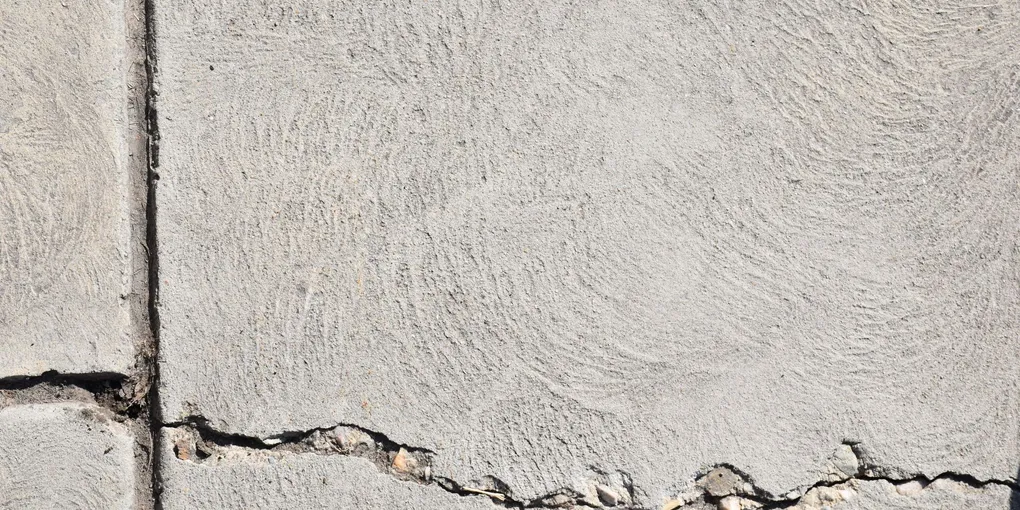
A crack in a concrete block foundation is not something to ignore, but it is also not automatically a crisis. Most cracks in block walls fall into the cosmetic or minor category and are well within DIY repair territory.
A crack in a concrete block foundation is not something to ignore, but it is also not automatically a crisis. Most cracks in block walls fall into the cosmetic or minor category and are well within DIY repair territory. Catching and fixing them early prevents water infiltration, efflorescence, and the kind of slow deterioration that turns a $50 patch job into a $5,000 excavation.
Assessing the Crack First
Before mixing any cement, spend a few minutes studying the crack. Width, orientation, and whether the crack has shifted tell you almost everything you need to know.
- Hairline to one-eighth inch, vertical or along mortar joints: Cosmetic. Patch with masonry caulk or hydraulic cement.
- One-eighth to one-quarter inch, stable, no displacement: Minor. Clean thoroughly and fill with hydraulic cement or two-part epoxy injection.
- Wider than one-quarter inch, stair-step pattern, or with wall displacement: Get a structural engineer opinion before doing any DIY work.
Stick a small piece of tape across the crack and mark the date. Check it in two weeks. If the tape tears or the marks shift, the crack is active and may need professional assessment.
What You Will Need
- Cold chisel and hammer (or angle grinder with masonry blade)
- Wire brush
- Shop vacuum or compressed air
- Hydraulic cement (for wet or actively leaking cracks)
- Masonry patching compound (for dry, stable cracks)
- Margin trowel
- Bucket of clean water
- Masonry waterproofing sealer
- Safety glasses and dust mask
The Quikrete Hydraulic Water-Stop Cement is the go-to product for wet basement block repairs and is available at most home centers in 50-pound bags.
Step 1: Open and Clean the Crack
Use a cold chisel and hammer to widen the crack slightly into a V-shape or undercut it slightly so it is wider at the back than the surface. This mechanical key gives the patching material something to grip. Remove all loose concrete, efflorescence (white mineral deposits), and old patch material.
Vacuum the crack thoroughly with a shop vac. If the crack is dry, dampen it lightly with water before applying the patch — this slows moisture absorption from the concrete so the patch cures correctly rather than drying too fast.
Step 2: Mix the Hydraulic Cement
For actively wet cracks, mix hydraulic cement according to package directions — typically a stiff putty consistency. Work in small batches because hydraulic cement begins to set in three to five minutes. Form the mixed cement into a cone or plug shape in your gloved hand.
Step 3: Apply the Patch
Press the cement firmly into the crack, holding it in place with steady hand pressure for three to five minutes as it heats up and sets. For a dry crack using masonry patching compound, press the material in with a margin trowel, packing it in layers no thicker than half an inch per pass. Allow each layer to firm up before adding the next.
A Sashco Concr-Ease Concrete Patching Compound or similar flexible patching product works well for stable exterior block cracks because it accommodates minor seasonal movement without re-cracking.
Step 4: Feather and Finish
Once the patch is set but not fully hard, use a damp trowel to feather the edges smooth and blend them with the surrounding block texture. Do not try to make it invisible — focus on a solid, well-bonded fill. Let the repair cure for at least 24 hours before applying any sealer.
Step 5: Seal the Repaired Area
Apply a penetrating masonry waterproofing sealer over the patched crack and at least 12 inches of surrounding wall in all directions. For below-grade walls that see regular hydrostatic pressure, an elastomeric waterproofing membrane offers better long-term protection.
The DRYLOK Extreme Masonry Waterproofer is a proven interior/exterior product that bonds directly to concrete block and can handle up to 15 PSI of hydrostatic pressure.
Address the Root Cause
No patch lasts if the underlying cause is not corrected. Common culprits include poor grading that directs water toward the foundation, clogged or missing gutters, and compacted soil that exerts lateral pressure on block walls. Improving drainage around the foundation is the single best investment you can make after completing the patch.
- Open and Clean the Crack
Use a cold chisel and hammer to widen the crack slightly into a V-shape or undercut it slightly so it is wider at the back than the surface. This mechanical key gives the patching material something to grip.
- Mix the Hydraulic Cement
For actively wet cracks, mix hydraulic cement according to package directions — typically a stiff putty consistency. Work in small batches because hydraulic cement begins to set in three to five minutes.
- Apply the Patch
Press the cement firmly into the crack, holding it in place with steady hand pressure for three to five minutes as it heats up and sets.
- Feather and Finish
Once the patch is set but not fully hard, use a damp trowel to feather the edges smooth and blend them with the surrounding block texture. Do not try to make it invisible — focus on a solid, well-bonded fill.
- Seal the Repaired Area
Apply a penetrating masonry waterproofing sealer over the patched crack and at least 12 inches of surrounding wall in all directions.
Free: 10-Point Home Maintenance Checklist
Prevent costly repairs with this seasonal checklist. Save hundreds every year by catching problems early.
Your checklist is ready!
Open Checklist →Something went wrong. View the checklist here.