How to Fix a Cold Room in Your House
Learn how to diagnose and fix the most common reasons one room stays cold while the rest of your house stays comfortable.
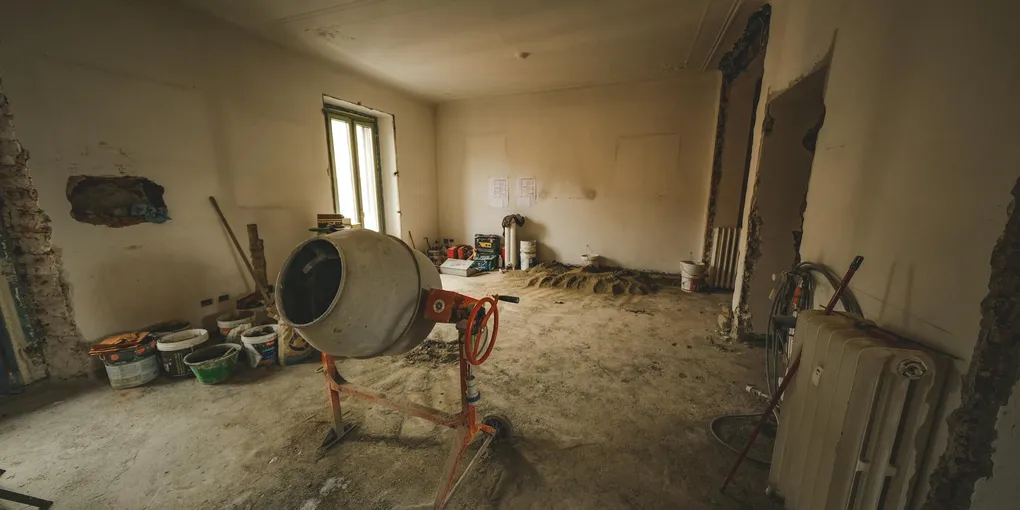
A single cold room is one of the most common comfort complaints homeowners have. The good news is that the fix is almost always something you can handle yourself — or at least diagnose accurately before calling a professional.
A single cold room is one of the most common comfort complaints homeowners have. The good news is that the fix is almost always something you can handle yourself — or at least diagnose accurately before calling a professional. Work through these steps systematically and you will find the culprit.
What You Will Need
- Flashlight
- Screwdriver
- Duct sealant mastic or foil HVAC tape
- Duct insulation wrap
- Batt insulation or expanding spray foam
- Door draft stopper
- Weatherstripping
- Caulk gun and interior window caulk
- Smart vent or booster fan (optional)
- Infrared thermometer (optional, very helpful)
Step 1: Check the Obvious Causes First
Before opening walls or pulling ducts, check the simple things:
- Is the vent open? Floor registers have a lever or dial to open and close. It is easy for furniture, rugs, or children to close them accidentally.
- Is anything blocking airflow? A sofa, rug, or bed placed directly over or in front of the vent dramatically reduces heat delivery.
- Is the furnace filter dirty? A clogged filter cuts airflow to the entire system. Replace it if it has not been changed in the past 30 to 90 days. Standard 16x25x1 filters on Amazon run just a few dollars each.
- Is the room on a thermostat zone that is set correctly? In multi-zone homes, verify the zone serving the cold room has adequate set points.
Step 2: Measure the Temperature Differential
Use an infrared thermometer or a basic indoor thermometer to compare the cold room against the warmest room in the house. A difference of more than 5 degrees Fahrenheit means the issue is significant and worth investigating further. Note the room location — rooms at the end of long duct runs, over garages, above vaulted spaces, or on exterior corners tend to lose heat the fastest.
Step 3: Inspect the Duct Run to That Room
Go to the basement or attic and trace the duct branch that serves the cold room. Look for:
- Disconnected duct sections — a joint that has popped apart, especially if the duct is flexible (flex duct). This is extremely common and can dump all the heated air into an unconditioned space before it ever reaches the room.
- Kinked or compressed flex duct — a sharp bend or heavy object resting on flex duct collapses the inner liner and blocks airflow entirely.
- Missing duct insulation — bare metal or flex duct in a cold attic or crawl space loses a large fraction of its heat before reaching the room.
Reconnect any separated joints using foil tape (not the cloth “duct tape” sold in hardware stores, which fails in heat). Mastic sealant is even more durable — brush it on the joint and embed a strip of fiberglass mesh tape for reinforcement. Straighten any kinked flex duct and re-hang it so it follows a gentle curve without compression.
Step 4: Seal Duct Leaks
Even well-connected ducts can leak at seams. Run the heat and feel along every joint in the duct branch for the cold room. Apply foil tape or brush-on mastic to any joint that leaks warm air. Even a 10 to 15 percent leakage reduction in the duct branch serving one room can dramatically increase airflow to the register.
Duct sealant mastic on Amazon is inexpensive and stays flexible — it will not crack with thermal expansion the way some tapes do.
Step 5: Add Duct Insulation
If the duct run to the cold room passes through unconditioned space — an unheated garage, attic, or crawl space — wrap it with R-8 duct insulation. Wrap spiral around the duct in overlapping passes and seal every seam and end with foil tape. This single step can add several degrees to the delivered air temperature for a room at the end of a long duct run.
Step 6: Address Wall and Ceiling Insulation
Cold rooms on exterior corners, over garages, or with cathedral ceilings often lack adequate insulation. Ways to check:
- Remove an outlet cover on an exterior wall and use a flashlight and bent wire to probe the wall cavity. If you hit nothing within a few inches, the wall may be uninsulated.
- In the attic above the room, confirm you have at least 12 to 15 inches of blown insulation (R-38 to R-49 for most climates). If the ceiling joists are exposed, insulation is inadequate.
Adding blown-in insulation through small holes in exterior walls is a professional job but very affordable. For attic floors, you can rent a blower and add insulation yourself using bagged material from a home center. Reflectix insulation rolls can provide a quick boost on interior surfaces of garage walls adjacent to living spaces.
Step 7: Seal Drafts Around Windows and Doors
Drafts bypass your insulation entirely and make a room feel cold even when the air temperature is adequate. Check:
- Window frames — run your hand around the perimeter of every window on a windy day. Apply a bead of clear paintable caulk to any gap between the frame and the drywall on the interior, and between the frame and siding on the exterior.
- Door bottoms — slide a piece of paper under the door. If it moves freely, you need a door sweep or adjustable door bottom seal.
- Electrical outlets on exterior walls — remove the cover plate and install foam outlet gaskets behind it. These block cold air that infiltrates through the wall cavity.
Step 8: Install a Duct Booster or Smart Vent
If the room is at the very end of a long duct run and everything else checks out, the system simply may not be designed to push adequate airflow that far. Two solutions:
- Inline duct booster fan — installed in the duct branch, it adds pressure to move more air through the run. Fantech booster fans are quiet and thermostatically controlled.
- Smart register vent — products like Keen Smart Vents replace your standard register and open or close automatically based on room temperature, balancing the system room by room.
Step 9: Consider a Mini-Split for Persistent Problem Rooms
If your HVAC system is undersized, the room is an addition that was never connected to the main duct system, or structural barriers make duct access impractical, a ductless mini-split heat pump is the cleanest long-term solution. A 9,000 BTU single-zone mini-split can heat and cool a room up to 400 square feet and runs efficiently even in cold climates. Installation typically costs $1,500 to $3,500 depending on your area.
Quick Reference: Cold Room Checklist
- Vent fully open and unobstructed
- Furnace filter clean and recently replaced
- No disconnected or kinked flex duct
- All duct joints sealed with mastic or foil tape
- Duct insulated through unconditioned spaces
- Windows and doors caulked and weatherstripped
- Outlet gaskets installed on exterior walls
- Booster fan added if needed
Related guides
- Central Air Conditioning Installation Cost — full system replacement pricing if HVAC upgrades are needed
- How to Seal Leaky Ductwork — fix duct leaks that cause cold rooms
- How to Fix a Noisy Furnace — diagnose furnace issues that affect heat delivery
Work through this list methodically and you will almost certainly find the cause. Most cold room problems have simple, inexpensive solutions that any homeowner can implement in a weekend.
- Check the Obvious Causes First
Before opening walls or pulling ducts, check the simple things:
- Measure the Temperature Differential
Use an infrared thermometer or a basic indoor thermometer to compare the cold room against the warmest room in the house. A difference of more than 5 degrees Fahrenheit means the issue is significant and worth investigating further.
- Inspect the Duct Run to That Room
Go to the basement or attic and trace the duct branch that serves the cold room. Look for:
- Seal Duct Leaks
Even well-connected ducts can leak at seams. Run the heat and feel along every joint in the duct branch for the cold room. Apply foil tape or brush-on mastic to any joint that leaks warm air.
- Add Duct Insulation
If the duct run to the cold room passes through unconditioned space — an unheated garage, attic, or crawl space — wrap it with R-8 duct insulation. Wrap spiral around the duct in overlapping passes and seal every seam and end with foil tape.
- Address Wall and Ceiling Insulation
Cold rooms on exterior corners, over garages, or with cathedral ceilings often lack adequate insulation. Ways to check:
Free: 10-Point Home Maintenance Checklist
Prevent costly repairs with this seasonal checklist. Save hundreds every year by catching problems early.
Your checklist is ready!
Open Checklist →Something went wrong. View the checklist here.