How to Fix a Broken Window Latch That Won't Lock or Close
Repair a window latch that won't lock, close, or stay shut with this guide covering sash lock replacement, strike plate adjustment, and casement operator repair.
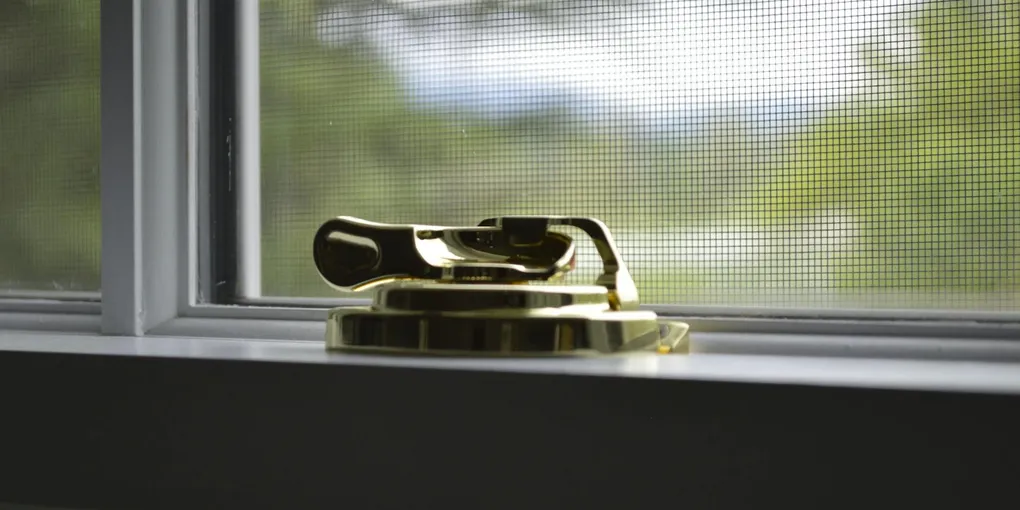
A window that won’t latch or lock is more than an inconvenience — it’s a security gap, a noise source when the wind picks up, and often a weathersealing failure that drives up energy costs.
A window that won’t latch or lock is more than an inconvenience — it’s a security gap, a noise source when the wind picks up, and often a weathersealing failure that drives up energy costs. Whether you have a classic double-hung window with a sash lock, a casement window with a rotary operator, or a sliding window with a keeper latch, the repairs are manageable with basic tools and a couple of dollars in hardware.
This guide covers diagnosing the problem, replacing a sash lock, adjusting a strike plate, repairing casement operators, and dealing with window frames that have shifted out of alignment.
What You Need
- Replacement window sash lock set (double-hung, white or brass) — Sash locks come in matched lock-and-strike sets. Make sure the screw hole spacing matches your existing hardware.
- Casement window operator replacement — For crank-style casement windows whose gear mechanism has stripped. Match by brand and arm style.
- Window security pin lock — A temporary backup lock while waiting for parts; drills through both sashes to prevent the window from being opened.
- #8 x 1-1/4 inch wood screws — For mounting replacement latch hardware when existing holes are stripped or the new latch has different spacing.
- Foam weatherstripping tape (self-adhesive, 3/8 in. x 3/16 in.) — For sealing gaps between sashes that cause rattle and air infiltration.
- Silicone spray lubricant — For lubricating sash channels, latch cams, and casement operator arms. Safe for vinyl and painted wood.
Step 1: Identify Your Window Type and Latch Style
Before buying any parts, identify which type of window you’re working on:
Double-hung windows: Two sashes (top and bottom) that slide vertically. The latch is a cam-style sash lock mounted on the top rail of the lower sash, engaging a matching strike on the bottom rail of the upper sash. This is the most common residential window type.
Casement windows: A single sash hinged on the side that swings outward when opened by a crank-operated arm. Casement latches are typically a lever handle that drives an espagnolette (multi-point locking bar) along the side of the sash, or a simple fold-down latch on the frame.
Sliding windows: Operate horizontally, similar to sliding glass doors. The latch is usually a keeper-and-cam mechanism on one sash engaging a strike on the opposing sash or frame.
Awning windows: Hinged at the top, open outward at the bottom. Latches are similar to casement-style with either a fold-down lever or a sash-side keeper.
Identify your type, then proceed to the relevant repair section.
Step 2: Fix a Double-Hung Sash Lock That Won’t Engage
This is by far the most common window latch repair. The sash lock cam won’t rotate to the locked position, won’t stay locked, or turns freely without gripping the strike.
Diagnose the alignment first: Close both sashes and try to engage the latch. If the cam is visibly misaligned with the strike (offset to either side), the sashes themselves are out of alignment — not a hardware defect. Push the sashes firmly together and toward each other at the meeting rail while turning the latch. If they now align, proceed to the strike adjustment below. If they don’t align even with pressure, the window frame or sashes may have warped or settled.
Replace a broken or bent sash lock:
- Examine the latch body. Look for a cracked cam, a stripped handle rotation, or a body that’s cracked from overtightening.
- Remove the two mounting screws from the latch base on the lower sash.
- Pull the latch free and take it to the hardware store for matching. Note the screw hole spacing — this is the key measurement for a drop-in replacement.
- Mount the new latch, driving the screws snugly. Test the rotation — the cam should swing freely through its full arc.
- If the screw holes are stripped, pack them with toothpicks and wood glue before re-driving the screws.
Step 3: Adjust the Strike Plate
When the latch and strike are not perfectly aligned vertically or horizontally, the cam can’t seat, and the window won’t lock. A minor adjustment to the strike plate solves most alignment issues.
- Close both sashes and observe exactly where the latch cam contacts the strike. There should be a mark or wear pattern indicating where they’re touching.
- Loosen (don’t remove) the strike plate screws.
- Slide the strike plate up, down, left, or right until it aligns with the center of the latch cam’s travel arc.
- Tighten the screws and test the latch action.
- If the cam engages but the window feels loose (latched but still rattling), move the strike plate slightly inward (toward the center of the window) so the cam pulls the sashes tighter together when fully locked. This also compresses the weatherstripping for a better air seal.
If the strike plate screw holes no longer land in solid wood after adjustment, use a longer screw or fill the old holes before remounting in the new position.
Step 4: Repair a Casement Window Latch or Operator
Casement window problems fall into two categories: a failed latch that won’t hold the sash closed, and a failed operator that won’t crank the sash open or closed.
Failed casement latch (sash won’t hold shut): Most casement windows have a lever handle that pulls the sash against a compression seal. If the sash pops open or won’t stay closed:
- Inspect the strike keep (the metal receiving pocket in the frame) for damage or misalignment.
- Check that the lever arm is engaging the keep fully. Sometimes the arm just needs to be pushed further into the keep before it seats.
- If the keep is bent or the lever arm is broken, both are typically available from the window manufacturer or as universal casement hardware.
Failed casement operator (crank turns but sash doesn’t move):
- Remove the interior trim cover over the operator (usually two screws).
- Inspect the gear mechanism. Turn the crank slowly and watch the gears. Stripped teeth are immediately obvious — the drive gear will spin but the driven gear won’t move.
- A stripped operator must be replaced. Note the brand, model, and whether the arm extends from the left or right. Operators are typically not universal — they’re brand-specific. Check the window frame for a manufacturer sticker.
- Remove the old operator (usually 3–4 screws into the sill), detach the arm from the sash track, and install the new operator in reverse order.
Disconnected operator arm: If the arm has popped out of the track at the sash rather than at the operator, simply re-seat the track shoe into the channel and secure with the retaining pin or clip.
Step 5: Fix a Sliding Window Keeper Latch
Sliding window latches use a cam (on the interior sash) that rotates into a keeper (on the frame or the fixed sash). Common issues:
Cam won’t reach keeper: The sliding sash may have sagged in its track. Lift the sash slightly while turning the latch. If it engages, the sash track rollers need adjustment or replacement.
Keeper is cracked or missing: Keepers are small plastic or metal components that are usually sold as part of a latch replacement set. Most are secured with two small screws. Remove the old keeper, match the size, and install the replacement.
Track sticking: A dirty track prevents the sash from sliding to the fully closed position where the latch engages. Clean the track channel with a damp cloth, remove debris, and apply silicone spray. Do not use petroleum-based lubricants on vinyl window tracks.
Step 6: Dealing with a Warped or Swollen Window Frame
If sash alignment problems persist after adjusting the strike plate, the window frame or sashes themselves may have warped. This is common in older wood-frame windows that have experienced moisture exposure.
Testing for warp: Hold a long straightedge along the meeting rail of the lower sash. A bowed rail will be visibly higher in the center than at the ends, or vice versa.
Seasonal swelling: Wood sashes swell in humid conditions and shrink in dry weather. If the latch works in winter but not summer (or vice versa), the fix is humidity management rather than hardware repair. A dehumidifier in the room can reduce seasonal swelling. In extreme cases, the sash edges can be planed down slightly at the high points.
Settled frame: If the frame itself has racked due to house settling, the window opening is no longer square, and the sashes bind accordingly. Correcting a settled frame is a larger carpentry task, but you can often compensate with strike plate adjustment and weatherstripping compression to restore function without full reframing.
Temporary Security While Waiting for Parts
A window that can’t be latched is a security vulnerability. While waiting for replacement hardware to arrive:
- Window security pin: Drill a downward-angled hole through the interior sash and partway into the exterior sash. Insert a hardened steel pin. The window can’t be pushed open from outside.
- Window bar: A telescoping security bar wedged between the sash and the track physically prevents the window from opening.
- Keyed window lock: A surface-mounted keyed lock screwed to the sash offers quick security with no drilling required.
None of these are substitutes for a functional latch, but they provide meaningful security while the repair is in progress.
Related Reading
- How to Weatherstrip a Door
- Annual Home Maintenance Schedule
- How to Fix a Stiff Door Hinge
- Identify Your Window Type and Latch Style
Before buying any parts, identify which type of window you're working on:
- Fix a Double-Hung Sash Lock That Won't Engage
This is by far the most common window latch repair. The sash lock cam won't rotate to the locked position, won't stay locked, or turns freely without gripping the strike.
- Adjust the Strike Plate
When the latch and strike are not perfectly aligned vertically or horizontally, the cam can't seat, and the window won't lock. A minor adjustment to the strike plate solves most alignment issues.
- Repair a Casement Window Latch or Operator
Casement window problems fall into two categories: a failed latch that won't hold the sash closed, and a failed operator that won't crank the sash open or closed.
- Fix a Sliding Window Keeper Latch
Sliding window latches use a cam (on the interior sash) that rotates into a keeper (on the frame or the fixed sash). Common issues:
- Dealing with a Warped or Swollen Window Frame
If sash alignment problems persist after adjusting the strike plate, the window frame or sashes themselves may have warped. This is common in older wood-frame windows that have experienced moisture exposure.
Free: 10-Point Home Maintenance Checklist
Prevent costly repairs with this seasonal checklist. Save hundreds every year by catching problems early.
Your checklist is ready!
Open Checklist →Something went wrong. View the checklist here.