How to Fix a Broken Window Blind
Learn how to repair the most common window blind problems including broken slats, tangled cords, stuck tilt rods, and broken lift mechanisms.
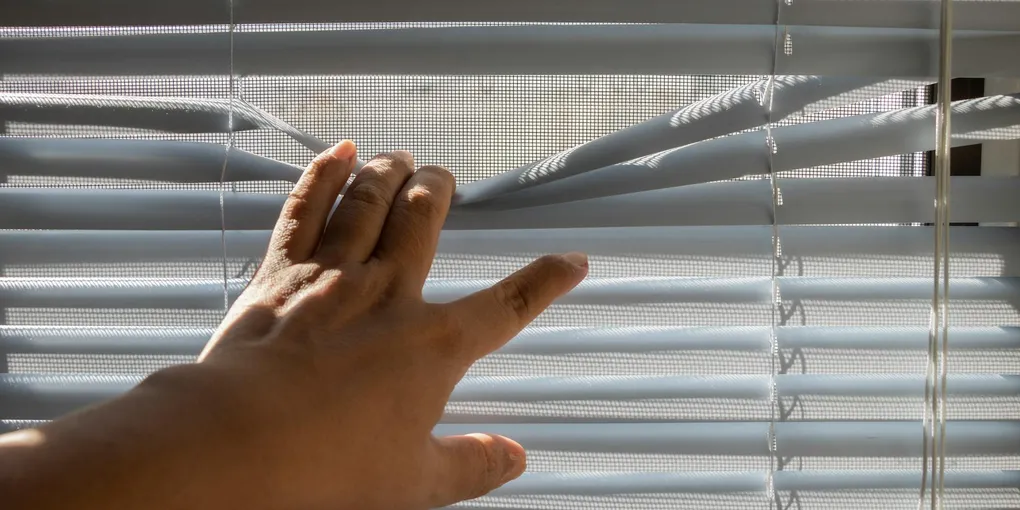
Window blinds take daily abuse — cords are yanked, slats get bent, and tilt mechanisms wear out. Before you throw out a perfectly good set of blinds over a single broken part, know that most repairs take less than 30 minutes and cost just a few dollars.
Window blinds take daily abuse — cords are yanked, slats get bent, and tilt mechanisms wear out. Before you throw out a perfectly good set of blinds over a single broken part, know that most repairs take less than 30 minutes and cost just a few dollars. This guide covers the four most common blind failures and how to fix each one.
Tools and Materials You Will Need
- Flathead screwdriver
- Needle-nose pliers
- Scissors
- Lighter or heat gun (for cord melting to prevent fraying)
- Replacement blind slats
- Replacement lift cord
- Cord lock replacement
- Tilt gear repair kit
- Complete blind repair kit (all-in-one option)
Repair 1: Replace a Broken or Bent Slat
This is the most common repair and the easiest.
Step 1: Lower the blind fully and locate the broken slat.
Step 2: Remove the bottom rail. On most blinds, the bottom rail is held by plastic end plugs. Pry them off with a flathead screwdriver and set them aside. Pull the bottom rail down and off the ladder cords.
Step 3: Note how the lift cords thread through the slats. The lift cord runs through a hole in the center (or near the center) of each slat. Take a photo with your phone before disassembling anything.
Step 4: Slide slats down off the ladder cords from the bottom, counting them as you remove each one. You only need to remove slats down to and including the damaged one.
Step 5: Slide the replacement slat onto the ladder cord rungs in the same orientation as the removed one (curved side or flat side facing the same direction as its neighbors).
Step 6: Re-thread the lift cord through the hole in the new slat, following the same path as the other slats.
Step 7: Slide the remaining slats back up and replace the bottom rail. Press the end plugs back into place. Test by raising and lowering the blind.
Repair 2: Fix a Blind That Will Not Raise or Lower
The lift cord lock inside the headrail is the usual culprit.
Step 1: Remove the headrail from the window by tilting it forward off its mounting brackets (most tilt off a hook).
Step 2: Open the headrail housing. Look for small tabs along the bottom of the headrail. Press each tab and the housing cover will pop off, exposing the internal mechanism.
Step 3: Inspect the cord lock. The cord lock is a small plastic housing with a spring-loaded pawl. Pull the lift cord through the lock by hand — it should slide freely in one direction and grip when you release it. If the pawl is cracked, stuck, or missing, the cord lock needs replacement.
Step 4: Remove the old cord lock by pressing its release tabs and sliding it out of the headrail channel.
Step 5: Insert the replacement cord lock by sliding it into the headrail channel until it clicks. Thread the lift cord back through it.
Step 6: Check for cord tangles at the same time. The lift cord should run from the cord lock, down through each slat hole, and out through the bottom rail. If it has jumped its routing path, re-thread it following the pattern from the correctly routed cords.
Step 7: Reinstall the headrail cover and remount the headrail on the brackets. Test the raise and lower function.
Repair 3: Fix Blinds That Will Not Tilt (Slats Spin Freely or Not at All)
The tilt mechanism connects the tilt wand or cord to a gear that rotates the ladder cords, tilting all slats in unison.
Step 1: Check the wand connector first. The tilt wand hooks into a small plastic connector that attaches to the tilt mechanism. If the connector is cracked or broken off, the wand simply needs a replacement wand connector. Pop the broken connector off and press the new one in.
Step 2: If the wand connector is intact, remove the headrail and open the housing as described in Repair 2.
Step 3: Locate the tilt gear assembly — it is the component the tilt wand attaches to, with a small gear that meshes with a rack or drum connected to the ladder cord drums.
Step 4: Inspect the gear teeth. Stripped or missing teeth on the tilt gear prevent it from engaging the drum. This is the most common cause of a wand that spins without tilting the slats.
Step 5: Remove the old tilt gear assembly. Most slide out after removing a retaining clip or loosening a set screw. Note the orientation.
Step 6: Install the replacement tilt gear, making sure it fully engages with the adjacent drum.
Step 7: Reinstall the headrail cover, remount, and test the tilt function.
Repair 4: Fix a Fraying or Broken Lift Cord
If the lift cord has broken mid-length or has frayed through at the bottom rail, you can restring it.
Step 1: Purchase replacement lift cord in the correct diameter (most standard blinds use 0.9mm or 1.4mm cord). Measure the height of your window and multiply by 2.5 to get the length of cord needed per cord run.
Step 2: Remove the headrail and note how many lift cord runs your blind has (usually one, two, or three depending on blind width).
Step 3: Tie the new cord to the old cord where it enters the headrail at the cord lock. Pull the new cord through by tugging the old cord out from the bottom — the new cord follows the same path.
Step 4: Thread the new cord through each slat hole, through the bottom rail, and tie it off using the same knot pattern as the original. Seal the cut ends with a brief touch of a lighter flame to prevent fraying.
Step 5: Adjust cord length so the blind raises fully without bunching the cords below the headrail when fully up. Trim excess and re-melt the cut end.
Prevention Tips
- Operate blinds gently — jerking the lift cord causes the most cord and cord lock damage.
- Dust slats monthly with a microfiber cloth or a blind duster tool to prevent grit from working into the tilt gear.
- Keep pets and children from pulling on cords — safety cord cleats mounted to the wall keep cords out of reach and prevent tangling.
- Replace the lift cord proactively if it shows fraying at the cord lock — a $5 cord replacement now prevents a broken mechanism later.
Window blind repairs are some of the most satisfying quick fixes in a home because they are inexpensive, require no special skills, and turn a “broken” item into a fully functional one in under an hour.
- Repair 1: Replace a Broken or Bent Slat
This is the most common repair and the easiest.
- Repair 2: Fix a Blind That Will Not Raise or Lower
The lift cord lock inside the headrail is the usual culprit.
- Repair 3: Fix Blinds That Will Not Tilt (Slats Spin Freely or Not at All)
The tilt mechanism connects the tilt wand or cord to a gear that rotates the ladder cords, tilting all slats in unison.
- Repair 4: Fix a Fraying or Broken Lift Cord
If the lift cord has broken mid-length or has frayed through at the bottom rail, you can restring it.
Free: 10-Point Home Maintenance Checklist
Prevent costly repairs with this seasonal checklist. Save hundreds every year by catching problems early.
Your checklist is ready!
Open Checklist →Something went wrong. View the checklist here.