How to Fix a Broken Refrigerator Door Gasket
Learn how to replace a worn or torn refrigerator door gasket yourself to stop cold air leaks, reduce energy waste, and keep food properly chilled.
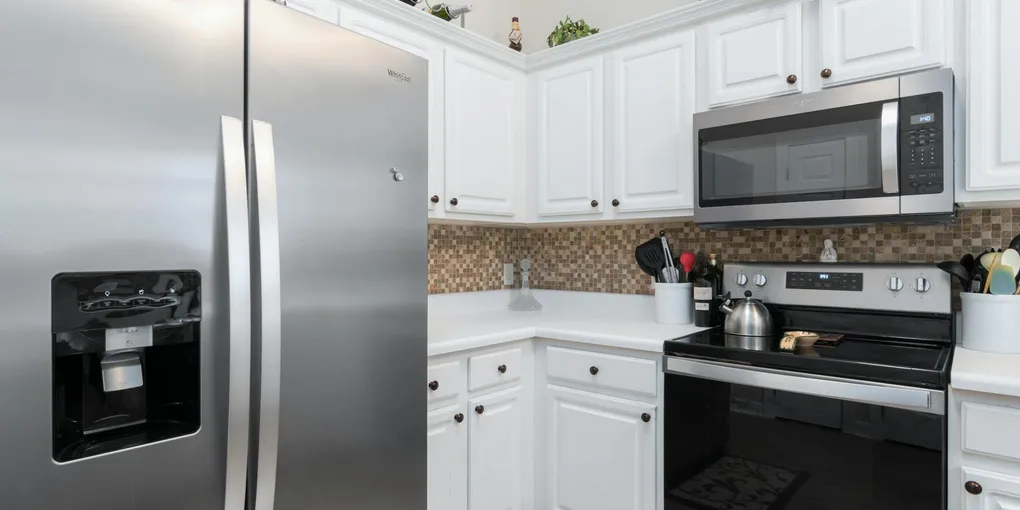
A refrigerator door gasket does one critical job: keep cold air in and warm air out. When the soft rubber seal wears out, cracks, or pulls away from the door frame, your fridge runs longer to maintain temperature, your energy bill climbs, and food near the door may not stay properly cold.
A refrigerator door gasket does one critical job: keep cold air in and warm air out. When the soft rubber seal wears out, cracks, or pulls away from the door frame, your fridge runs longer to maintain temperature, your energy bill climbs, and food near the door may not stay properly cold. The good news is that replacing a gasket is a straightforward DIY repair that requires no special tools and costs a fraction of a service call.
Tools and Materials You Will Need
- Replacement door gasket (model-specific)
- Flathead screwdriver or nut driver
- Hair dryer or heat gun
- Bucket of warm soapy water and a sponge
- Petroleum jelly or food-grade silicone grease
A reliable option for the replacement gasket is to order by model number from a reputable appliance parts supplier. A universal magnetic door gasket kit can work on many models as a temporary fix, but an exact OEM gasket provides the best seal. You will also want a flexible nut driver set to remove retaining screws without stripping them.
Step 1: Identify Your Refrigerator Model
Open the fridge door and look for a label on the interior side wall or along the door frame. Write down the full model number. Use this number on the manufacturer website or an appliance parts retailer to find the exact replacement gasket. An ill-fitting gasket will not seal properly even if it looks similar.
Step 2: Soak the New Gasket
Before installation, soak the new gasket in a bucket of warm water for 15 to 20 minutes. This makes the rubber pliable and much easier to press into the retaining channel without tearing or bunching.
Step 3: Remove the Old Gasket
Starting at one corner, pull the old gasket away from the door. Most gaskets are held by a metal or plastic retaining strip that is screwed to the door liner. Use your flathead screwdriver or nut driver to loosen — but not fully remove — the retaining screws. You only need to loosen them enough to slip the gasket out from under the retaining lip. Work your way around all four sides.
Step 4: Clean the Channel
Once the old gasket is out, wipe the retaining channel with a warm soapy sponge to remove mold, food residue, and old rubber debris. Dry the channel thoroughly. A clean surface ensures the new gasket seats evenly and stays put.
Step 5: Install the New Gasket
Starting at a top corner, tuck the lip of the new gasket behind the retaining strip. Work slowly around each corner, pressing the gasket firmly into the channel. Use the hair dryer on low heat to soften stubborn sections that resist bending around corners. Once the full perimeter is seated, tighten all retaining screws snugly — do not overtighten, as this can crack the door liner.
Step 6: Check the Seal and Condition
Close the door and inspect the gasket around the entire perimeter. It should sit flush against the cabinet with no gaps, bubbles, or lifted sections. Run the dollar-bill test: insert a dollar bill in several spots around the door and close it firmly. There should be noticeable resistance when pulling the bill out. If a section pulls free too easily, press the gasket back and retighten the screw nearest that spot.
Step 7: Apply Petroleum Jelly
Wipe a thin layer of petroleum jelly or food-grade silicone grease along the outside of the installed gasket. This conditions the rubber, reduces sticking in cold temperatures, and extends the life of the seal.
Keeping Your Gasket in Good Shape
Clean the gasket monthly with warm soapy water and inspect it for tears or stiff sections. Avoid using harsh chemical cleaners, which degrade rubber quickly. A gasket conditioning spray applied twice a year keeps the rubber supple and extends its service life considerably.
With a fresh, properly seated gasket, your refrigerator will cycle less often, keep temperatures more consistent, and cost less to run every month.
- Identify Your Refrigerator Model
Open the fridge door and look for a label on the interior side wall or along the door frame. Write down the full model number. Use this number on the manufacturer website or an appliance parts retailer to find the exact replacement gasket.
- Soak the New Gasket
Before installation, soak the new gasket in a bucket of warm water for 15 to 20 minutes. This makes the rubber pliable and much easier to press into the retaining channel without tearing or bunching.
- Remove the Old Gasket
Starting at one corner, pull the old gasket away from the door. Most gaskets are held by a metal or plastic retaining strip that is screwed to the door liner.
- Clean the Channel
Once the old gasket is out, wipe the retaining channel with a warm soapy sponge to remove mold, food residue, and old rubber debris. Dry the channel thoroughly. A clean surface ensures the new gasket seats evenly and stays put.
- Install the New Gasket
Starting at a top corner, tuck the lip of the new gasket behind the retaining strip. Work slowly around each corner, pressing the gasket firmly into the channel.
- Check the Seal and Condition
Close the door and inspect the gasket around the entire perimeter. It should sit flush against the cabinet with no gaps, bubbles, or lifted sections.
Free: 10-Point Home Maintenance Checklist
Prevent costly repairs with this seasonal checklist. Save hundreds every year by catching problems early.
Your checklist is ready!
Open Checklist →Something went wrong. View the checklist here.