How to Fix a Broken Outdoor Light Fixture
Learn how to diagnose and replace a broken outdoor light fixture safely, including wiring connections and weatherproofing for lasting results.
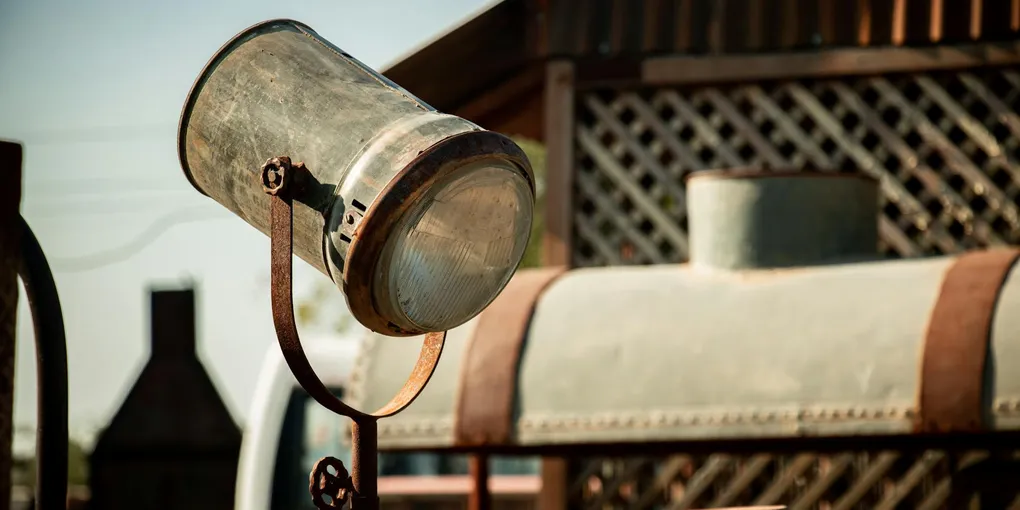
An outdoor light fixture that flickers, goes dark, or shows physical damage is both a security and a safety issue. Replacing or repairing one is a beginner-friendly electrical job — the wiring is straightforward, and the entire process can be done in under an hour with basic tools.
An outdoor light fixture that flickers, goes dark, or shows physical damage is both a security and a safety issue. Replacing or repairing one is a beginner-friendly electrical job — the wiring is straightforward, and the entire process can be done in under an hour with basic tools. The most important rule is to kill the circuit breaker before you touch any wires.
This guide covers diagnosing the problem, making targeted repairs where possible, and fully replacing a fixture that has failed beyond repair.
What You Need
- Replacement outdoor light fixture (wet or damp rated) — match the mounting hole spacing to your existing box
- Non-contact voltage tester — essential for confirming power is off before touching wires
- Wire nuts (usually included with the new fixture)
- Phillips and flathead screwdrivers
- Needle-nose pliers
- Wire stripper
- Exterior-rated silicone caulk
- Ladder
Step 1 — Diagnose Before You Replace
Many outdoor light problems are not caused by the fixture itself. Work through this checklist before buying a replacement.
Check the bulb: Swap in a known-good bulb. Burned-out bulbs account for a significant portion of “broken” fixture calls.
Check the breaker and GFCI: Most outdoor circuits are GFCI-protected. Find the GFCI outlet on the circuit (often in the garage, on the exterior, or in the bathroom) and press the reset button. Also check the breaker panel for a tripped breaker.
Check the wall switch: Use a non-contact voltage tester at the fixture while someone flips the switch. If voltage is present at the fixture, the wiring is fine and the problem is in the fixture itself.
Check the socket: With power off, inspect the brass tab at the center bottom of the socket. Over time it can flatten and lose contact with the bulb. Carefully pry it up slightly with a flathead screwdriver.
If none of these resolve the issue, the fixture needs to be repaired or replaced.
Step 2 — Turn Off Power and Confirm
Go to the breaker panel and turn off the breaker for the outdoor circuit. Return to the fixture and use a non-contact voltage tester — hold it near the fixture and the switch — to confirm no voltage is present. Test the tester on a known live outlet first to verify it is working.
Do not proceed until the tester confirms no voltage.
Step 3 — Remove the Old Fixture
- Remove the mounting screws holding the fixture to the wall or junction box. Most fixtures have two screws — one at the top and one at the bottom of the base plate.
- Pull the fixture away from the wall carefully. There will be 2 to 3 wires connecting it to the house wiring — support the fixture so the wires are not stressed.
- Note the wire connections before disconnecting anything: black (hot) to black, white (neutral) to white, bare copper or green (ground) to the green screw or bare wire.
- Unscrew the wire nuts counterclockwise and separate the wires.
- Check the wires for corrosion (green or black discoloration on copper) or brittle insulation from heat damage. If the house wires are corroded or damaged, trim back to fresh copper with wire strippers before making new connections.
Step 4 — Inspect the Junction Box
With the fixture removed, inspect the electrical box in the wall.
- Check that the box is rated for exterior use (plastic or weatherproof metal).
- Look for rust, water infiltration, or damaged wires in the box.
- Ensure the box is firmly attached to the wall structure — a loose box needs to be secured before the new fixture is mounted.
- If water is getting into the box, you will need to address the source before installing a new fixture. Check that the fixture’s gasket or exterior caulk bead was doing its job.
Step 5 — Make Wire Connections on the New Fixture
Most replacement outdoor fixtures come with a mounting bracket, a canopy (cover plate), wire leads, and instructions.
- Attach the mounting bracket to the junction box using the screws provided.
- Feed the house wires through the gasket or canopy of the new fixture if required by the design.
- Connect black to black, white to white, and ground to ground using the included wire nuts. Twist clockwise until tight. Tug each wire gently to confirm the connection is secure.
- Fold the connected wires into the junction box carefully — avoid sharp kinks.
- Press the fixture’s canopy against the wall and drive the mounting screws through the fixture into the bracket.
Step 6 — Weatherproof the Installation
Outdoor light fixtures need a weatherproof seal between the fixture base and the exterior wall surface.
- Most fixtures include a rubber or foam gasket — confirm it is in place between the fixture base and the wall.
- If there is no gasket, or if the wall surface is uneven, apply a thin bead of exterior-grade silicone caulk around the perimeter of the fixture base before pressing it to the wall.
- Wipe away excess caulk with a damp finger for a clean appearance.
This seal prevents water from getting behind the fixture and into the junction box.
Step 7 — Restore Power and Test
- Install the correct bulb for the new fixture — check the maximum wattage rating on the fixture label.
- Restore power at the breaker.
- Flip the wall switch to confirm the fixture lights up.
- Check for any flickering, which would indicate a loose wire connection. If flickering occurs, turn off the breaker and check that all wire nuts are fully tightened.
Long-Term Maintenance
- Clean the fixture lens annually and check for water infiltration inside the globe or housing.
- Inspect the caulk bead every 2 to 3 years and re-apply if it shows cracking or gaps.
- Replace bulbs with LED equivalents to reduce heat, extend socket life, and lower energy costs.
- If the fixture is near a sprinkler head, confirm it is wet-rated, not just damp-rated.
Related Reading
- How to Replace a Light Switch
- How to Install a Ceiling Fan
- Best Outdoor Security Lights for Homeowners
- Best Home Security Cameras — add a camera system while improving your outdoor lighting
- Step 1 — Diagnose Before You Replace
Many outdoor light problems are not caused by the fixture itself. Work through this checklist before buying a replacement.
- Step 2 — Turn Off Power and Confirm
Go to the breaker panel and turn off the breaker for the outdoor circuit. Return to the fixture and use a non-contact voltage tester — hold it near the fixture and the switch — to confirm no voltage is present.
- Step 3 — Remove the Old Fixture
Remove the mounting screws holding the fixture to the wall or junction box. Most fixtures have two screws — one at the top and one at the bottom of the base plate.
- Step 4 — Inspect the Junction Box
With the fixture removed, inspect the electrical box in the wall.
- Step 5 — Make Wire Connections on the New Fixture
Most replacement outdoor fixtures come with a mounting bracket, a canopy (cover plate), wire leads, and instructions.
- Step 6 — Weatherproof the Installation
Outdoor light fixtures need a weatherproof seal between the fixture base and the exterior wall surface.
Free: 10-Point Home Maintenance Checklist
Prevent costly repairs with this seasonal checklist. Save hundreds every year by catching problems early.
Your checklist is ready!
Open Checklist →Something went wrong. View the checklist here.