How to Fix a Broken Light Switch Cover
Learn how to safely replace a cracked, broken, or missing light switch cover plate in under 10 minutes with no electrical experience required.
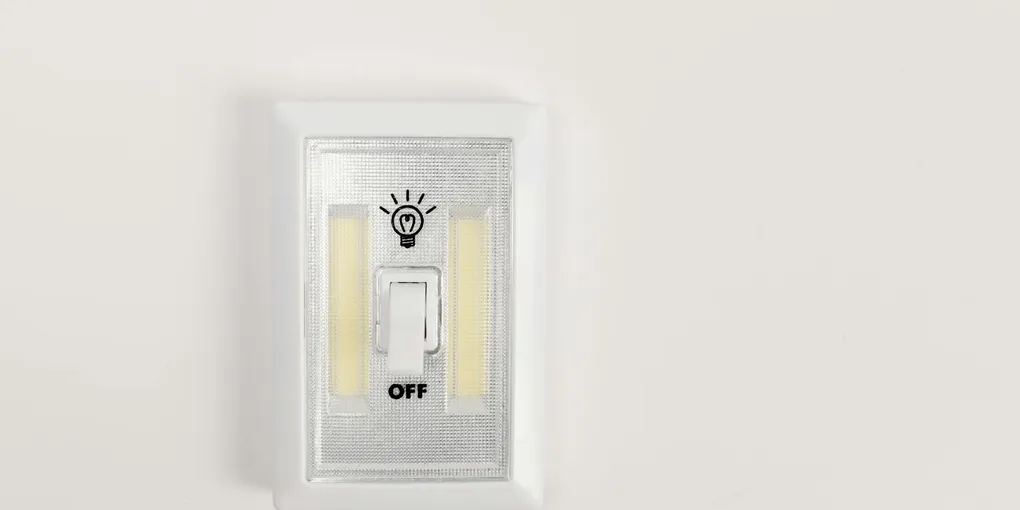
A cracked or broken light switch cover plate is one of the easiest fixes in the house. The entire job takes less than 10 minutes, costs under $5, and requires nothing but a screwdriver.
A cracked or broken light switch cover plate is one of the easiest fixes in the house. The entire job takes less than 10 minutes, costs under $5, and requires nothing but a screwdriver. Here is how to do it correctly.
What You Need
- Replacement switch cover plate — match the style (toggle or decorator) and gang count (single, double, triple) of your existing switch
- Flathead or Phillips screwdriver
- Screwdriver set with multiple tips — most cover plate screws are slot-head, but some are Phillips
Optional:
- Voltage tester pen — to verify power is off if you plan to inspect the wiring
- Painter’s tape — to protect the wall surface when prying off old plates
Step 1: Turn Off the Breaker (Recommended)
Go to your electrical panel and flip the breaker for the room or circuit where the switch is located. Flip the switch and confirm the lights go off.
You can replace a cover plate with the power on since you will not be touching any wires, but turning off the breaker is the safer habit — especially if the existing cover is damaged in a way that exposes wiring.
Step 2: Remove the Old Cover Plate
Locate the single screw in the center of the existing cover plate. Unscrew it completely — it should take only a few turns. Hold the plate with your other hand as the screw loosens so it does not drop.
Pull the cover plate straight off the wall. If it is painted over, score lightly around the edge with a utility knife before prying to avoid pulling paint off the wall.
Set the screw aside — most replacement plates come with a new screw, but the original will also work.
Step 3: Inspect What Is Behind the Plate
Before installing the new cover, take 30 seconds to look at the switch and box:
- Wiring: All wires should be firmly connected to the switch screws or pushed into the back-wire slots. No bare copper should be visible except at the connection points. If you see loose or disconnected wires, call an electrician before proceeding.
- Switch alignment: The switch should sit flush with or slightly proud of the wall. If it is recessed too far, loosen the mounting screws on the switch ears and pull it forward slightly before reinstalling.
- Box ears: The metal tabs on the sides of the switch (the ears) should be tight against the wall or the edge of the electrical box. Tighten the screws if they are loose.
Step 4: Choose the Right Replacement Plate
Match your replacement cover to the existing switch type:
- Toggle switch (the classic flip lever): Use a standard toggle cover plate with a small oval or rectangular opening in the center.
- Decorator/Rocker switch (wide paddle): Use a decorator cover plate with a large rectangular opening.
- GFCI outlet (the kind with TEST and RESET buttons): Use a GFCI cover plate — it has a wider rectangular opening than a standard outlet cover.
Cover plates come in single-gang (one switch), double-gang (two switches), and triple-gang (three switches). Count the switches in the box and buy the matching gang size.
Color matters too. Standard options are white, ivory, almond, and light almond. Hold a plate against your wall before buying if you are unsure — these shades look very different from each other on a painted wall.
Step 5: Install the New Cover Plate
Position the new cover plate over the switch, aligning the center hole with the tapped hole in the switch strap. Insert the screw and turn by hand until it catches the threads.
Tighten with the screwdriver until the plate is snug against the wall. Do not overtighten — plastic plates crack easily, and one firm quarter-turn past hand-tight is enough. Metal plates (stainless steel, brushed nickel) can take a bit more torque.
If the plate rocks slightly when tight (one corner lifts off the wall), the switch is slightly crooked in the box. Loosen the switch mounting screws, rotate the switch until it sits level, and tighten again. Reinstall the cover plate.
Step 6: Restore Power and Test
Flip the breaker back on. Test the switch to confirm everything works normally. Look at the cover plate from a slight angle to confirm it sits flat against the wall with no visible gaps at the edges.
Upgrading While You Are at It
Replacing a cover is a good opportunity to upgrade the entire switch if yours is old, worn, or the wrong color:
- Dimmer switch: Replace a standard toggle with a dimmer for under $15 and a 20-minute installation. Turn off the breaker, swap the switch wires to the dimmer terminals, tuck the wires back, and install the matching dimmer cover plate.
- Smart switch: Smart light switches that connect to your phone or voice assistant replace the existing switch directly. Most require a neutral wire — check your box before buying.
- Decorator upgrade: If you are replacing cover plates throughout the house, switching from toggle-style switches to decorator rocker switches gives a cleaner, more modern look. Budget about $2 to $4 per switch plus the new cover plates.
Related Guides
- How to Replace an Electrical Outlet
- How to Install a Dimmer Switch
- How to Fix a Light Switch That Does Not Work
- Turn Off the Breaker (Recommended)
Go to your electrical panel and flip the breaker for the room or circuit where the switch is located. Flip the switch and confirm the lights go off.
- Remove the Old Cover Plate
Locate the single screw in the center of the existing cover plate. Unscrew it completely — it should take only a few turns. Hold the plate with your other hand as the screw loosens so it does not drop.
- Inspect What Is Behind the Plate
Before installing the new cover, take 30 seconds to look at the switch and box:
- Choose the Right Replacement Plate
Match your replacement cover to the existing switch type:
- Install the New Cover Plate
Position the new cover plate over the switch, aligning the center hole with the tapped hole in the switch strap. Insert the screw and turn by hand until it catches the threads.
- Restore Power and Test
Flip the breaker back on. Test the switch to confirm everything works normally. Look at the cover plate from a slight angle to confirm it sits flat against the wall with no visible gaps at the edges.
Free: 10-Point Home Maintenance Checklist
Prevent costly repairs with this seasonal checklist. Save hundreds every year by catching problems early.
Your checklist is ready!
Open Checklist →Something went wrong. View the checklist here.