How to Fix a Broken Garage Door Lock
Learn how to repair or replace a manual garage door lock bar that is stuck, misaligned, or no longer latching securely.
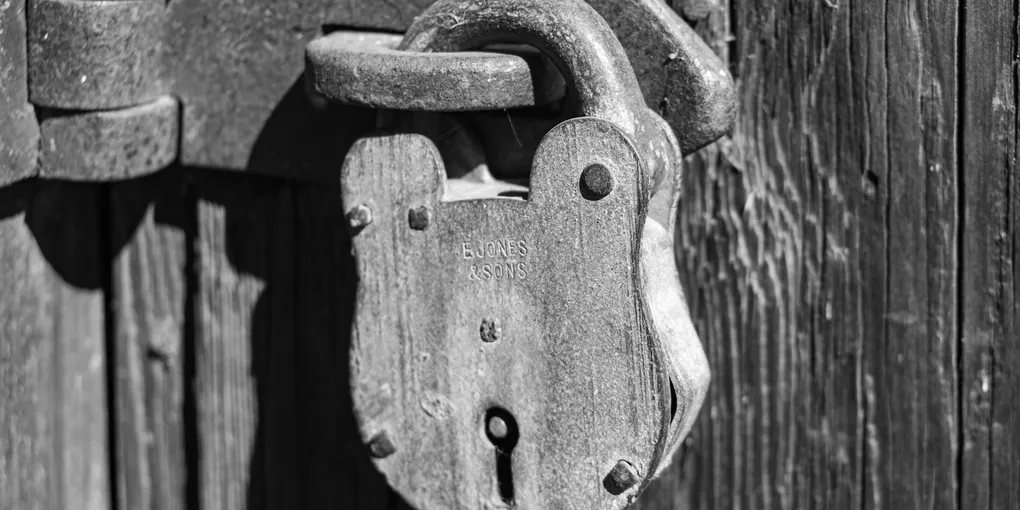
Fixing a garage door lock: (1) Lock bar won't engage: the guide bar (the horizontal bar that slides into the track lock brackets) may be misaligned with the brackets on the track. Bend the brackets with pliers to realign. (2) Lock handle spins but doesn't engage: the cable connecting the handle to the slide bar has broken or come loose. Replace the cable or reconnect it at the handle slide mechanism. (3) Frozen in cold weather: spray de-icer or WD-40 into the lock cylinder. For prevention, apply dry lubricant ($8) to the slide bar and lock cylinder at the start of each winter. (4) Lock cylinder worn or keyed entry fails: replace just the cylinder or the entire handle/lock assembly ($20 to $40 for a universal garage door handle and lock). (5) Note: most automatic garage doors should have the manual lock mechanism disabled or removed — an engaged lock while the opener is running can damage the opener. Check that the lock is disengaged before operating the opener.
Frequently Asked Questions
Why will my garage door lock bar not slide into the track?
The most common cause is a misaligned lock bar guide or a bent bar. The locking guides can shift over time, and if the bar no longer lines up with the slots in the door track, it will bind and refuse to engage.
Can I use a garage door lock if I have an automatic opener?
You should not engage the manual lock bar when an automatic opener is installed, as the opener will attempt to move the door and can damage both the opener and the lock. Disengage or remove the bar if you rely on an automatic opener.
How do I lubricate a stiff garage door lock?
Spray a dry lubricant such as white lithium grease or a PTFE-based spray into the keyhole and along the lock bar guides. Avoid WD-40, which can attract dust and gum up the mechanism over time.
What do I do if the key no longer turns in the lock cylinder?
The cylinder may be seized from rust or debris. Spray lock lubricant into the keyhole, insert the key, and work it gently back and forth. If it remains seized, the cylinder likely needs to be replaced.
Is it hard to replace just the lock cylinder without replacing the whole assembly?
No. Most garage door lock cylinders are held by a single retaining clip accessible from the inside of the door. Remove the clip, slide out the old cylinder, and install a new one in minutes.
How do I align the lock bar guides after they shift?
Loosen the screws holding each guide bracket, slide the bracket so the slot lines up with the door track hole, and re-tighten. Test the bar operation before fully torquing the screws.
Fixing a garage door lock: (1) Lock bar won’t engage: the guide bar (the horizontal bar that slides into the track lock brackets) may be misaligned with the brackets on the track. Bend the brackets with pliers to realign.
A manual garage door lock bar is one of the simplest but most important security features on a non-automated door. When it sticks, binds, or refuses to engage, your garage becomes easy to enter from the outside. Most garage door lock problems are caused by misalignment, a bent bar, or a seized cylinder — all fixable in under an hour.
Understanding How the Lock Works
A standard garage door slide lock consists of a horizontal bar connected to a keyed cylinder or a T-handle. When you turn the key or handle, the bar slides horizontally into slots in the vertical door tracks on both sides, preventing the door from being lifted. Over time, the bar guides can shift, the bar can bend slightly, or the cylinder can seize up.
Tools and Materials You Will Need
- Flathead and Phillips screwdrivers
- Adjustable wrench or pliers
- Rubber mallet
- Replacement lock bar or cylinder (if needed)
- White lithium grease or PTFE dry lubricant spray
- Measuring tape
A reliable replacement, such as the Prime-Line Garage Door Slide Lock, is compatible with most single and double garage doors.
Step 1: Identify the Problem
Close the door fully and attempt to engage the lock. Note exactly where it fails:
- Bar binds partway through travel — guides are misaligned or bar is bent.
- Bar slides freely but does not seat into the track slot — guide position is off or track slots are blocked.
- Handle or key turns but bar does not move — internal linkage is disconnected or stripped.
- Key does not turn — cylinder is seized or damaged.
Step 2: Lubricate the Mechanism
Before disassembling anything, apply a dry lubricant. Spray white lithium grease or a PTFE-based product along the full length of the lock bar, into both guide brackets, and into the keyhole. Work the bar back and forth by hand several times. Many sticky or stiff locks free up completely with just this step.
Avoid petroleum-based sprays like WD-40 as a long-term fix — they dissolve existing lubrication and attract grime.
Step 3: Realign the Lock Bar Guides
If lubrication does not solve the problem, examine each guide bracket — the small rectangular brackets screwed to the door panel that the bar slides through. Loosen (but do not remove) the screws on each bracket. Slide the bar through both guides and into the engaged position to let the bar itself center the guides. Hold the bar in position while you re-tighten each guide bracket’s screws. Remove the bar and test the operation. This simple realignment fixes the majority of binding problems.
Step 4: Straighten a Bent Lock Bar
If the bar has a visible bend, remove it from the guides entirely. Place it on a flat concrete surface and use a rubber mallet to gently straighten it. Work gradually along the bend — do not strike hard in one spot, which can kink the bar worse. Re-install and test.
If the bar is significantly bent or corroded, replacement is the better choice. Replacement bars are inexpensive and available cut-to-length.
Step 5: Replace a Seized Lock Cylinder
If the key will not turn after lubrication, the cylinder needs to be replaced. On most garage door locks, the cylinder is retained by a single C-clip or cotter pin on the interior side of the door panel. Use a flathead screwdriver or needle-nose pliers to remove the clip, then pull the cylinder out through the front of the door.
Take the old cylinder to a hardware store to match the diameter and keyway, or order a universal replacement online. The Garage Door Lock Cylinder Replacement Kit includes the cylinder and retaining hardware for a complete swap.
Slide the new cylinder in from the front, reconnect the linkage tab to the lock bar, and secure the retaining clip on the inside.
Step 6: Test and Adjust
Engage and disengage the lock five or six times to confirm smooth operation. Check that the bar fully seats into both track slots when locked — a bar that only partially engages provides little security. Adjust guide positions as needed.
Apply a final coat of lubricant to all moving parts, then wipe off any excess to prevent drips onto the door panel.
Replacing the Entire Lock Assembly
If the handle, bar, and cylinder are all worn or the assembly is visibly damaged, replacing the complete unit is faster than repairing individual parts. Most residential garage door lock assemblies use standard sizing and install with just four screws in under 20 minutes.
Keeping a functional manual lock on your garage door is a simple, low-cost layer of home security that complements any electronic system you may have installed.
- Identify the Problem
Close the door fully and attempt to engage the lock. Note exactly where it fails:
- Lubricate the Mechanism
Before disassembling anything, apply a dry lubricant. Spray white lithium grease or a PTFE-based product along the full length of the lock bar, into both guide brackets, and into the keyhole. Work the bar back and forth by hand several times.
- Realign the Lock Bar Guides
If lubrication does not solve the problem, examine each guide bracket — the small rectangular brackets screwed to the door panel that the bar slides through. Loosen (but do not remove) the screws on each bracket.
- Straighten a Bent Lock Bar
If the bar has a visible bend, remove it from the guides entirely. Place it on a flat concrete surface and use a rubber mallet to gently straighten it. Work gradually along the bend — do not strike hard in one spot, which can kink the bar worse.
- Replace a Seized Lock Cylinder
If the key will not turn after lubrication, the cylinder needs to be replaced. On most garage door locks, the cylinder is retained by a single C-clip or cotter pin on the interior side of the door panel.
- Test and Adjust
Engage and disengage the lock five or six times to confirm smooth operation. Check that the bar fully seats into both track slots when locked — a bar that only partially engages provides little security. Adjust guide positions as needed.
Free: 10-Point Home Maintenance Checklist
Prevent costly repairs with this seasonal checklist. Save hundreds every year by catching problems early.
Your checklist is ready!
Open Checklist →Something went wrong. View the checklist here.