How to Fix a Broken Freezer Door Gasket
Replace a torn or stiff refrigerator or freezer door seal yourself to restore an airtight fit and stop wasting energy.
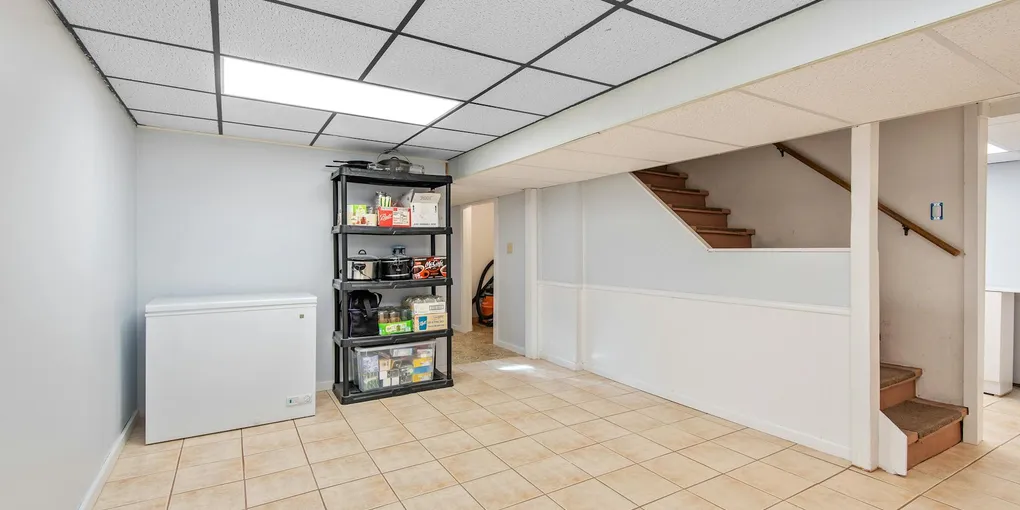
Replacing a freezer door gasket: (1) Test the gasket: close the door on a dollar bill. If the bill slides out easily, the gasket is not sealing. A failed gasket causes frost buildup, longer run times, and higher energy bills. (2) Find the replacement: search your refrigerator/freezer model number (on the interior wall label) + door gasket. Manufacturer-specific gaskets run $30 to $80. (3) Some gaskets just pull off and push on (friction fit in a channel). Others are held by retainer screws hidden under the inner edge of the gasket — peel back to find and unscrew. (4) Soak the new gasket in warm water for 15 minutes to make it pliable. (5) Press or screw the new gasket into place, starting at a corner and working around. (6) Close the door and check for even contact all the way around. Minor wrinkles smooth out with a hair dryer on low heat. A proper gasket should hold a piece of paper with resistance when the door is closed.
Frequently Asked Questions
How do I know if my freezer door gasket needs replacing?
Close the freezer door on a piece of paper or a dollar bill. If you can slide it out easily without resistance, the gasket is not sealing. Visible tears, cracks, mold embedded in the rubber, or a door that does not stay shut on its own are also clear signs the gasket has failed.
How much does a replacement freezer door gasket cost?
OEM replacement gaskets typically cost $20 to $80 depending on the refrigerator brand and model. Universal gaskets are less expensive but fit fewer models. Always try to use the OEM part for your specific model number for the best fit.
Do I need to remove the door to replace the gasket?
In most cases, no. The gasket presses or slides into a channel on the door liner and is held by screws under the gasket lip. You can replace it with the door hanging on the appliance.
How do I find my refrigerator or freezer model number?
Look on the interior wall of the freezer compartment, usually on the left side or ceiling. The model number sticker lists the exact model you need for ordering the correct replacement gasket.
Can I temporarily fix a freezer gasket without replacing it?
Minor stiffness from cold temperatures can sometimes be relieved by applying a thin coat of food-grade petroleum jelly or silicone lubricant to the gasket. This is a temporary fix only — a torn or warped gasket must be replaced.
How long do freezer door gaskets last?
Most refrigerator and freezer door gaskets last 5 to 10 years under normal use. They degrade faster in high-humidity environments or when exposed to harsh cleaners. A failing gasket increases energy use noticeably because the compressor must work harder to maintain temperature.
Why does my freezer door gasket have mold, and can I clean it or does it need replacing?
Mold in freezer gaskets grows in the folds where condensation and food residue accumulate. For surface mold visible only on the rubber exterior: clean with a solution of one tablespoon white vinegar per cup of water applied with a soft brush, working into all folds. A diluted bleach solution (1 part bleach to 10 parts water) also works but degrades rubber faster with repeated use. If mold has penetrated the rubber and the gasket material feels soft or spongy in the moldy area, cleaning won't restore the seal — replace the gasket. Prevent recurrence by wiping the gasket monthly with mild soap and water.
My freezer door no longer swings closed by itself. Is the gasket causing that?
A properly sealing freezer door creates a slight vacuum when closed — enough that the door pulls itself shut when swung to within an inch or two of the frame. If the door swings freely without pulling in, the gasket is not sealing, the door is misaligned, or both. First do the dollar bill test around the full perimeter. If the seal is weak on one side but strong on the other, the door hinge may be sagging — the door sits slightly out of plane with the cabinet. Adjust the hinge screws or shim the hinge to bring the door back into alignment before replacing the gasket, since a misaligned door will wear a new gasket unevenly and cause premature failure.
Replacing a freezer door gasket: (1) Test the gasket: close the door on a dollar bill. If the bill slides out easily, the gasket is not sealing.
A freezer door gasket — the flexible rubber or vinyl seal that rings the door and presses against the cabinet frame — does a quiet but critical job. When it seals properly, your freezer maintains temperature efficiently, frost stays out of the wrong places, and your energy bill stays low. When it fails, cold air leaks out constantly, the compressor runs overtime, and you may start finding frost buildup inside the compartment or noticing that frozen food does not stay as firm as it should.
The fix is almost always a direct gasket replacement. It takes about an hour, costs $20 to $80 for the part, and requires nothing more than a screwdriver and hot water. This is one of the highest-value appliance repairs you can do yourself.
Diagnosing a Bad Gasket
Before ordering a part, confirm the gasket is the problem.
The dollar bill test: Open the freezer door, place a dollar bill halfway in the opening, and close the door. Try to slide the bill out. If it pulls out with little resistance, the seal at that location is inadequate. Test around the full perimeter of the door. If the bill slides freely anywhere, the gasket needs attention.
Visual inspection: Look for visible tears, cracks, missing sections, or areas where the gasket has hardened and pulled away from the door frame. Press the gasket with your finger — it should be pliable and spring back. A stiff, compressed gasket has lost its ability to seal.
Frost patterns: Frost on the interior walls of a frost-free freezer, or ice forming around the door frame, often points to a gasket leak.
Warmth around the door edge: With the freezer running, run your hand slowly around the door perimeter while the door is closed. Even a small warm draft indicates a leak point.
Finding the Right Replacement Gasket
Open the freezer door and look for the model number sticker — it is usually on the interior side wall or ceiling of the compartment. Write down the full model number and use it to search for a replacement gasket through the appliance manufacturer, a parts supplier like AppliancePartsPros, or Amazon.
OEM (original equipment manufacturer) gaskets are the best choice because they are designed for your exact door geometry. Universal gaskets exist but require careful measurement and do not always provide as crisp a fit.
Tools and Materials
- Flat-head screwdriver or a nut driver (1/4-inch is most common)
- Replacement freezer door gasket for your model
- Bucket of hot water or a heat gun on low
- Clean cloth
- Mild soap and water
Step 1: Prepare the New Gasket
New gaskets are usually shipped folded and may have creases or kinks from packaging. Before installation, soak the new gasket in a bucket of very hot tap water for 5 to 10 minutes. This softens the material and allows the memory creases to relax. A heat gun on low, held six inches away while you flex the gasket, also works. A pliable gasket installs much more easily and creates a better initial seal.
Step 2: Remove the Old Gasket
Most freezer door gaskets are held by one of two methods — or a combination of both:
Screw-held gaskets: The gasket has a lip that folds inward and is clamped under a retainer strip secured by screws. Use your screwdriver to loosen (do not fully remove) the screws around the perimeter, working in sections. The retainer plate will flex outward enough to slip the old gasket lip free.
Press-fit or groove-fit gaskets: The gasket has a spline (a narrow ridge) that presses into a channel on the door liner. Pull the old gasket out of the channel, starting at a corner and working around the door.
Remove only a section at a time if you are uncertain about the door structure — this lets you use the remaining old gasket as a guide for installing the new one.
Clean the channel or retainer area with mild soap and water once the old gasket is fully removed. Remove any mold, old grease, or debris.
Step 3: Install the New Gasket
Start at one of the top corners of the door.
For screw-held gaskets: Slide the new gasket lip under the loosened retainer, working your way around the perimeter. Press the lip firmly into position before tightening any screws. Once the full gasket is seated, tighten the screws — start at the corners, then work toward the middle of each side. Tighten evenly; do not fully torque one section before the others are seated.
For groove-fit gaskets: Press the spline into the channel firmly, working around the door. Use a blunt tool (not a screwdriver tip) to press the spline fully into the groove if needed.
As you install, periodically close the door and observe the gasket contact against the cabinet frame. The gasket should press evenly with no lifted sections or gaps.
Step 4: Adjust for a Flat Seal
New gaskets sometimes have slight waviness after installation. Close the door and let it sit for 30 minutes with the freezer running. The cold temperature will help the gasket conform. If sections remain lifted or do not contact the frame, use a hair dryer or heat gun on low to gently warm and reshape those areas, then press the gasket flat against the frame while it cools.
Step 5: Test and Confirm
Repeat the dollar bill test around the full perimeter of the door. The bill should have clear resistance at every point — you should not be able to slide it without pulling firmly. If a spot still feels loose, check that the gasket spline or lip is fully seated in that area.
Once the seal is confirmed, clean the new gasket with mild soap and water and dry it completely. Avoid harsh cleaners — bleach and abrasive cleaners degrade gasket material quickly.
Energy Savings
A failed freezer gasket can add $5 to $20 per month to your electricity bill because the compressor runs nearly continuously trying to compensate for cold air loss. A new gasket pays for itself in energy savings within one to four months in most households.
Maintenance Tips
- Clean the gasket monthly with mild soap and a damp cloth. Mold and food debris embedded in the gasket folds accelerate deterioration.
- Wipe the cabinet frame sealing surface at the same time — a dirty frame reduces gasket contact.
- Apply a very thin film of food-grade petroleum jelly to the gasket once or twice a year to keep the rubber supple and extend its service life.
- Avoid letting plastic containers or bags pinch the gasket closed frequently, as repeated stress at the same point causes premature cracking.
A properly sealed freezer is a quieter, more efficient appliance that protects your food and runs the compressor far less often. If you are already doing this repair, it is also a good time to check the door alignment — a sagging door is a common reason gaskets wear unevenly and fail prematurely.
- Prepare the New Gasket
New gaskets are usually shipped folded and may have creases or kinks from packaging. Before installation, soak the new gasket in a bucket of very hot tap water for 5 to 10 minutes. This softens the material and allows the memory creases to relax.
- Remove the Old Gasket
Most freezer door gaskets are held by one of two methods — or a combination of both:
- Install the New Gasket
Start at one of the top corners of the door.
- Adjust for a Flat Seal
New gaskets sometimes have slight waviness after installation. Close the door and let it sit for 30 minutes with the freezer running. The cold temperature will help the gasket conform.
- Test and Confirm
Repeat the dollar bill test around the full perimeter of the door. The bill should have clear resistance at every point — you should not be able to slide it without pulling firmly.
Free: 10-Point Home Maintenance Checklist
Prevent costly repairs with this seasonal checklist. Save hundreds every year by catching problems early.
Your checklist is ready!
Open Checklist →Something went wrong. View the checklist here.