How to Fix a Broken Closet Door Track
Learn how to realign, repair, or replace a sliding closet door track so your doors glide smoothly and stay on course.
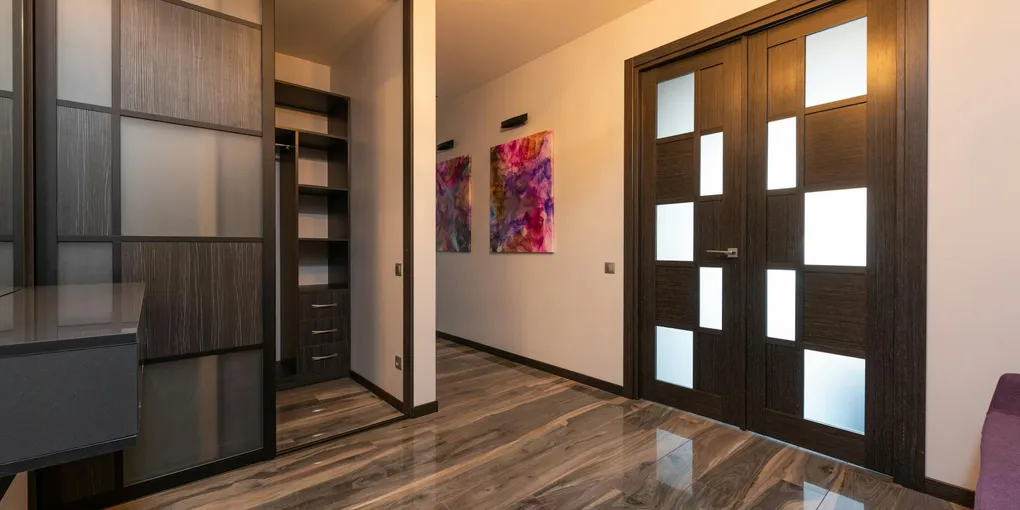
Fixing a closet sliding door track: (1) Doors jumping the track: check if the bottom guide is missing or broken — replace with a universal floor guide (round or square peg type, $5 to $8). (2) Top roller off the track: lift the door up into the top track first, then set the bottom into the floor guide. Top rollers may need adjusting with a screwdriver to raise or lower the door height. (3) Bent top track: straighten with pliers if bent slightly; replace the track if it is badly damaged — standard bypass door track is sold by the foot at hardware stores. (4) Rollers worn (door slides poorly, grinding noise): replace the roller carriages — search the door brand or bring the old roller to the store for a match. (5) Misaligned bi-fold door: adjust the pivot bracket at the top (usually a screw that lets you shift the door laterally) until the door meets the frame evenly with equal gaps on both sides.
Frequently Asked Questions
Why does my sliding closet door keep jumping off the track?
The most common causes are a bent or warped track, worn or broken roller wheels, or a track that has worked loose from the floor or header. Inspect all three before deciding on a fix.
Can I repair a bent closet door track without replacing it?
Minor bends can sometimes be straightened with pliers, but if the track is kinked in multiple places or the metal is fatigued, replacement is faster and more reliable.
How do I know if I need new rollers or just a track adjustment?
Lift the door slightly while it is on the track and slide it back and forth. If it moves smoothly with a little lift but binds on its own, the track height needs adjustment. If the wheels wobble, spin unevenly, or are cracked, replace the rollers.
Are sliding closet door tracks standard sizes?
Tracks come in standard widths but are sold by the foot, so you can cut them to length with a hacksaw. Bring the old track or its measurements to the hardware store to ensure a match.
Do I need to remove the door to fix the track?
For most track repairs you will need to remove the door first. Bypass doors lift out of the bottom track and tilt free of the top track, so removal is simple and takes under two minutes.
How do I stop a sliding closet door from rattling after the repair?
Install self-adhesive foam or rubber door guides at the bottom of the door frame and check that the top pivot bracket is snug. A small adjustment to the roller height often eliminates rattle as well.
Fixing a closet sliding door track: (1) Doors jumping the track: check if the bottom guide is missing or broken — replace with a universal floor guide (round or square peg type, $5 to $8). (2) Top roller off the track: lift the door up into the top track first, then set the bottom into the floor guide.
A sliding closet door that grinds, sticks, or pops off its track is a daily frustration that most homeowners put off fixing. The good news is that track and roller repairs are among the easiest interior fixes in the house — typically a one-afternoon project with basic tools. Here is how to diagnose the problem and get those doors gliding smoothly again.
Diagnosing the Problem
Before buying parts, spend five minutes understanding what is actually failing:
- Track is bent or warped — Run your finger along the track. You will feel high spots, kinks, or sections that have pulled away from the floor or header.
- Rollers are worn or broken — With the door lifted slightly, spin each roller by hand. It should spin freely and quietly. Wobble, grinding, or a cracked wheel means the roller needs replacement.
- Track is loose — Tug the track gently. If it flexes or pulls away, the mounting screws have stripped or the anchors have failed.
- Door is out of plumb — If the door hangs noticeably crooked, a roller height adjustment may be all that is needed.
What You Will Need
- Screwdriver (flathead and Phillips)
- Pliers and needle-nose pliers
- Replacement roller wheels (match to door brand/style)
- Replacement track (if needed)
- Hacksaw (to cut new track to length)
- Drill and appropriate anchors
- Silicone-based lubricant spray
- Level
Picking up a set of replacement sliding door rollers before you start means you will not have to stop mid-repair for a hardware run.
Step 1: Remove the Door
For most bypass closet doors, lift the door upward firmly until the bottom wheels clear the floor track, then tilt the bottom toward you and lower the door free of the top track. Lean it safely against a wall. For bifold doors, release the pivot pin at the top corner first.
Step 2: Inspect and Address the Track
Bottom track: Check for bends, debris, and loose screws. Clean out dust, pet hair, and broken wheel fragments with a vacuum and damp cloth. If the track is bent but mostly intact, use pliers to carefully straighten the kink. If the track is cracked, remove it (usually just screws or staples) and cut a new section to length with a hacksaw.
Top track (header): Look for the same issues. The top track is typically held by screws into the header. If screws have stripped their holes, fill the holes with wood toothpicks and wood glue, let dry, then drive fresh screws.
Step 3: Replace Worn Rollers
Most roller assemblies snap or screw into brackets on the door. Use a flathead screwdriver to pop the old rollers out and press new ones in. If your rollers are threaded, use needle-nose pliers to unscrew and reinstall. Take the old roller to the hardware store if you are unsure of the size — or look up your door brand online, as manufacturers sell exact replacement kits.
A silicone spray lubricant applied to both tracks after the repair significantly reduces wear on the new rollers and keeps the door moving quietly.
Step 4: Rehang the Door and Adjust
With fresh rollers and a clean track, hang the door in reverse order — top track first, then lower the bottom into the floor track. Slide the door back and forth. Most roller assemblies have a height-adjustment screw accessible from the face of the door at the top corner. Turn it incrementally until the door hangs plumb and the gap at the top and bottom is even across the full width.
Step 5: Install a Bottom Door Guide
If your floor track is missing a center guide, install a bottom door guide. This small plastic bracket screws into the floor between the two doors and keeps them from swinging in or out. Most guides are adjustable to fit different door gaps.
Maintenance Tips
- Vacuum the floor track monthly to keep debris from damaging rollers.
- Apply silicone lubricant (not WD-40, which attracts dust) to the tracks twice a year.
- Tighten roller-adjustment screws if you notice the door starting to drag — they can back out with use over time.
With clean tracks, fresh rollers, and proper alignment, a sliding closet door should operate smoothly for years before needing attention again.
- Remove the Door
For most bypass closet doors, lift the door upward firmly until the bottom wheels clear the floor track, then tilt the bottom toward you and lower the door free of the top track. Lean it safely against a wall.
- Inspect and Address the Track
Bottom track: Check for bends, debris, and loose screws. Clean out dust, pet hair, and broken wheel fragments with a vacuum and damp cloth. If the track is bent but mostly intact, use pliers to carefully straighten the kink.
- Replace Worn Rollers
Most roller assemblies snap or screw into brackets on the door. Use a flathead screwdriver to pop the old rollers out and press new ones in. If your rollers are threaded, use needle-nose pliers to unscrew and reinstall.
- Rehang the Door and Adjust
With fresh rollers and a clean track, hang the door in reverse order — top track first, then lower the bottom into the floor track. Slide the door back and forth.
- Install a Bottom Door Guide
If your floor track is missing a center guide, install a bottom door guide. This small plastic bracket screws into the floor between the two doors and keeps them from swinging in or out. Most guides are adjustable to fit different door gaps.
Free: 10-Point Home Maintenance Checklist
Prevent costly repairs with this seasonal checklist. Save hundreds every year by catching problems early.
Your checklist is ready!
Open Checklist →Something went wrong. View the checklist here.