How to Fix a Bathroom Exhaust Fan Duct
Learn how to repair or replace a disconnected or poorly routed bathroom exhaust fan duct to stop moisture damage, mold growth, and attic humidity problems.
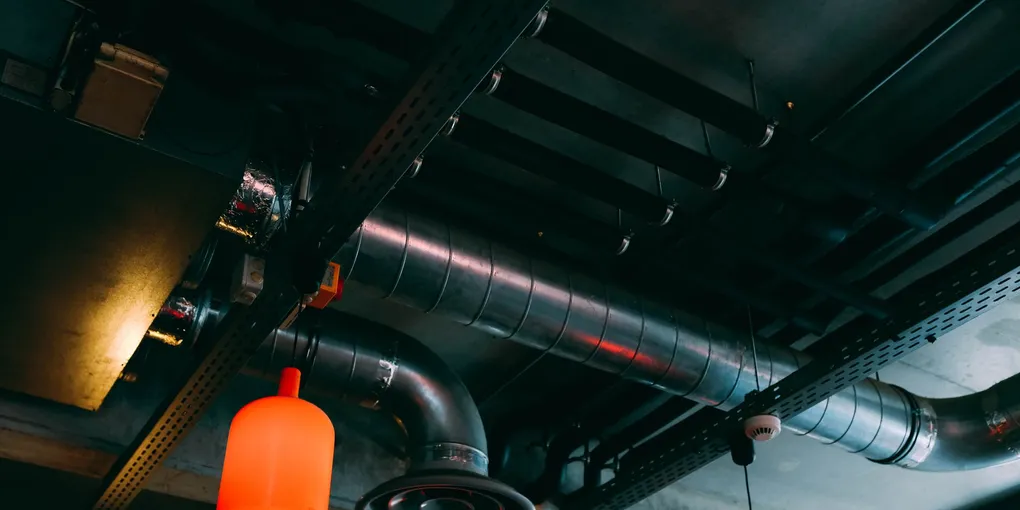
Fixing a bathroom exhaust fan duct: (1) Go into the attic and trace the duct from the fan housing to where it exits. (2) Common problems: duct disconnected at a joint (reconnect and tape with foil HVAC tape — not regular duct tape), duct kinked or collapsed (straighten or replace the flexible section), or duct terminated in the attic instead of outside (must vent to the exterior). (3) For a duct venting into the attic: extend it to the nearest soffit or roof cap. A ducted bathroom fan exhausting into an attic causes severe moisture damage and mold. (4) Secure all connections with foil tape and zip ties where flexible duct meets rigid fittings. (5) Insulate the duct in cold climates to prevent condensation. A properly routed duct is critical — an unconnected exhaust fan is worse than no fan.
Frequently Asked Questions
How do I know if my bathroom exhaust fan duct is disconnected or leaking?
Common signs include: a musty smell in the bathroom or attic, visible mold on the ceiling near the fan grille, frost or moisture on attic sheathing in winter directly above the bathroom, or condensation dripping back down from the fan during winter showers. To confirm, go into the attic during or right after someone showers and feel for warm moist air escaping from a duct joint or from a duct that has pulled free of the fan housing or roof cap.
Where should a bathroom exhaust fan duct terminate?
Always to the exterior of the house: through the roof with a dedicated roof cap, through a soffit with a louvered vent cap, or through an exterior wall with a wall cap. A bathroom fan must never vent into the attic, crawl space, or another interior space. Venting into the attic dumps moisture-laden air directly into insulation and wood framing, which causes mold and rot within a few seasons.
What type of duct should I use for a bathroom exhaust fan?
Rigid metal duct (galvanized steel) is the best choice because it has smooth walls that do not trap moisture, resists crushing, and does not sag over time. Semi-rigid aluminum flex duct is a good second choice for short runs or tight spaces. Avoid the white vinyl flexible duct sold cheaply at hardware stores — it collapses easily, traps condensation in its corrugations, and deteriorates quickly in attic temperature extremes.
How do I keep condensation from dripping back into the fan from the duct?
Condensation drips back when the duct runs level or sags, allowing water to pool and drain toward the fan. Make sure the duct runs uphill from the fan to the roof cap, or at minimum has no low sags where water can collect. Insulating the duct with pipe insulation or pre-insulated flexible duct also prevents the warm moist air from condensing on the cold duct walls.
Can I use flexible duct for a bathroom fan if the run is long?
Flexible duct should be used for runs under 4 feet and only when rigid duct cannot fit. Long flexible duct runs lose static pressure quickly due to friction and corrugation resistance. Most bathroom fans are rated for a maximum duct length of 50 to 100 equivalent feet of rigid duct — each 90-degree flex elbow adds roughly 15 feet of equivalent length. Keep the run short and as straight as possible.
Is bathroom exhaust fan duct repair a job I can do myself?
Yes. The work involves attic access, basic tool use, and foil duct tape — no electrical skills beyond confirming the fan is off. The most physically demanding part is maneuvering in a tight attic space. Wear a dust mask rated N95 or better when working around attic insulation, and bring a light on a headband rather than a handheld flashlight.
How much CFM does a bathroom exhaust fan need?
ASHRAE 62.2 and most building codes require a minimum of 50 CFM for bathrooms up to 100 square feet. For larger bathrooms, calculate 1 CFM per square foot of floor area. For better odor and moisture control in practice, 100-110 CFM is a good target for a standard full bathroom. Fan noise (rated in sones) matters as much as CFM — fans rated 1 sone or less operate quietly enough that people leave them running; louder fans (3+ sones) are often switched off before humidity is fully exhausted. When replacing an undersized fan, sizing up to 110 CFM in a 60 square foot bathroom causes no problems and produces noticeably better ventilation.
How long can a bathroom exhaust fan duct run be?
For a 4-inch diameter duct, a clean rigid metal run up to 25 feet is generally within the range most residential fans can handle. Each 90-degree elbow adds approximately 10 feet of equivalent duct length. Flexible corrugated duct adds significantly more friction per foot than rigid — keep flex duct under 4 feet total and count each flex foot as 1.5-2 feet equivalent. Long or poorly routed duct runs reduce actual airflow below the fan's rated CFM, causing inadequate ventilation even with a correctly sized fan. If the run must exceed 20 feet, use a higher-CFM fan (150 CFM instead of 80 CFM) to compensate for the friction loss, or use a larger 6-inch duct diameter.
Fixing a bathroom exhaust fan duct: (1) Go into the attic and trace the duct from the fan housing to where it exits.
A bathroom exhaust fan that vents improperly — or not at all — quietly causes some of the most expensive moisture damage in a home. Disconnected or kinked ducts dump humid shower air directly into the attic, where it condenses on cold sheathing and insulation. The result is mold, rotted sheathing, and reduced insulation performance. Fixing the duct is a straightforward attic job that requires basic tools and a couple of hours.
Why Bathroom Fan Ducts Fail
Most bathroom fan duct problems fall into three categories. First, the flexible duct has disconnected from the fan housing or from the roof cap — flex duct is held on with friction and duct tape that eventually loosens. Second, the duct has sagged or kinked to the point that airflow is blocked. Third, the duct was never properly installed and vents into the attic rather than to the exterior.
Before climbing into the attic, run the bathroom fan for five minutes and then hold a tissue near the grille — it should be drawn firmly toward the fan. If it flutters weakly or hangs free, there is a duct problem.
Tools and Materials
- N95 dust mask and safety glasses
- Headlamp or work light
- Utility knife
- Foil duct tape (not standard cloth duct tape — it fails in heat)
- Metal duct clamps (worm drive hose clamps)
- Rigid galvanized metal duct sections and elbows (if replacing)
- Semi-rigid aluminum flex duct 4-inch
- Foil duct tape for HVAC
- Pre-slit pipe insulation (to wrap the duct if in a cold attic)
- Roof cap or soffit vent cap (if the termination point needs replacement)
- Knee pads and work gloves
Step 1: Turn Off the Fan and Access the Attic
Turn off the bathroom exhaust fan at the switch and ideally at the circuit breaker. You will be working near the fan housing electrical connections, so confirm power is off before touching anything inside the housing.
Enter the attic from the access hatch. Bring your headlamp and move carefully on the joists — do not step on the insulation between joists, as it does not support your weight. Work from a crawl board or a piece of plywood laid across the joists if the space allows.
Step 2: Trace the Existing Duct Run
Follow the duct from the fan housing in the ceiling to its termination point. Look for any places where it has disconnected, sagged, or kinked. Also check the termination: confirm the duct exits the house through a roof cap, soffit vent, or wall cap — and that the exterior cap is not blocked by debris, a bird nest, or paint.
If the duct is simply disconnected at a joint, you may need only to reconnect and re-tape. If the duct is collapsed, kinked, or routed incorrectly, plan to replace it.
Step 3: Remove Failing Flex Duct
Peel back the old foil tape (it will be brittle if it is more than a few years old). Loosen or cut the zip ties or duct clamps holding the flex duct to the fan housing collar and to the roof cap. Remove the old duct. Inspect the fan housing collar and the roof cap collar for damage or corrosion — replace the cap if the damper flap is broken or stuck open.
Step 4: Plan the New Duct Route
The ideal duct route is: short, as straight as possible, and with an upward slope from the fan to the exterior termination so condensation drains outward. Every bend and every foot of flex adds resistance and reduces airflow. If possible, replace long flex runs with rigid metal duct to the roof cap, using flex only for the final 12 to 18-inch connection at the fan housing (to absorb vibration) and at the roof cap.
For runs under 6 feet with no more than one 90-degree turn, quality semi-rigid aluminum flex duct is acceptable and easy to work with.
Step 5: Connect the Duct to the Fan Housing
Slide one end of the new duct over the 4-inch collar on the fan housing. Push it on at least 2 inches. Secure with a metal worm-drive clamp tightened firmly — do not rely on the clamp alone. Wrap the connection with at least two layers of foil duct tape, pressing the tape firmly with your fingers to seal it completely. Do not use standard cloth-backed duct tape — it fails in the temperature swings of an attic.
Step 6: Route and Support the Duct
Run the duct to the exterior termination point. Support it every 4 feet with a strap or hanger so it cannot sag. Minimize bends. If a bend is unavoidable, use a formed elbow rather than kinked flex duct — a kink can reduce airflow by 50 percent or more. Keep the duct sloping gently upward toward the exterior so any condensation drains outward, not back toward the fan.
Step 7: Connect the Duct to the Roof Cap
At the roof cap, slide the duct over the cap collar and secure it with a worm-drive clamp and two wraps of foil tape, the same way as the fan housing connection. Make sure the damper flap in the cap opens freely. A stuck-closed damper blocks all airflow; a stuck-open damper allows cold outside air and pests to enter when the fan is not running.
Step 8: Insulate the Duct (Cold Climates)
If the attic is unheated, wrap the entire duct run with pipe insulation or use pre-insulated flex duct. Without insulation, warm moist shower air condenses on the cold duct walls, drips back toward the fan, and never fully exhausts outdoors. Pre-slit foam pipe insulation in the 4-inch size fits semi-rigid duct and is inexpensive at hardware stores.
Step 9: Test the Completed Repair
Restore power at the breaker. Run the bathroom fan for five minutes and check both ends of the duct: hold your hand near the exterior cap and confirm you feel airflow. Go back into the attic briefly (carefully) and feel along the duct connections for escaping air. No air should leak at the connections.
The tissue test at the grille should now show the tissue drawn firmly and held flat against the grille. A properly functioning bathroom fan makes a significant difference in bathroom humidity, odor removal, and long-term moisture protection for your home.
Related guides
- How to Seal Leaky Ductwork — seal HVAC supply and return duct leaks in the attic or basement using the same mastic/foil-tape method
- How to Fix a Bathroom Exhaust Fan — repair the fan motor or grille if the duct is clear but airflow is still weak
- How to Fix a Blocked Attic Soffit Vent — clear the intake vents that the exhaust fan depends on for pressure balance
- Turn Off the Fan and Access the Attic
Turn off the bathroom exhaust fan at the switch and ideally at the circuit breaker. You will be working near the fan housing electrical connections, so confirm power is off before touching anything inside the housing.
- Trace the Existing Duct Run
Follow the duct from the fan housing in the ceiling to its termination point. Look for any places where it has disconnected, sagged, or kinked.
- Remove Failing Flex Duct
Peel back the old foil tape (it will be brittle if it is more than a few years old). Loosen or cut the zip ties or duct clamps holding the flex duct to the fan housing collar and to the roof cap. Remove the old duct.
- Plan the New Duct Route
The ideal duct route is: short, as straight as possible, and with an upward slope from the fan to the exterior termination so condensation drains outward. Every bend and every foot of flex adds resistance and reduces airflow.
- Connect the Duct to the Fan Housing
Slide one end of the new duct over the 4-inch collar on the fan housing. Push it on at least 2 inches. Secure with a metal worm-drive clamp tightened firmly — do not rely on the clamp alone.
- Route and Support the Duct
Run the duct to the exterior termination point. Support it every 4 feet with a strap or hanger so it cannot sag. Minimize bends.
Free: 10-Point Home Maintenance Checklist
Prevent costly repairs with this seasonal checklist. Save hundreds every year by catching problems early.
Your checklist is ready!
Open Checklist →Something went wrong. View the checklist here.