How to Clean a Washing Machine Drum: Front-Load and Top-Load Deep Clean
Step-by-step guide to deep cleaning a washing machine drum — removing mold, odors, and detergent buildup from both front-load and top-load machines.
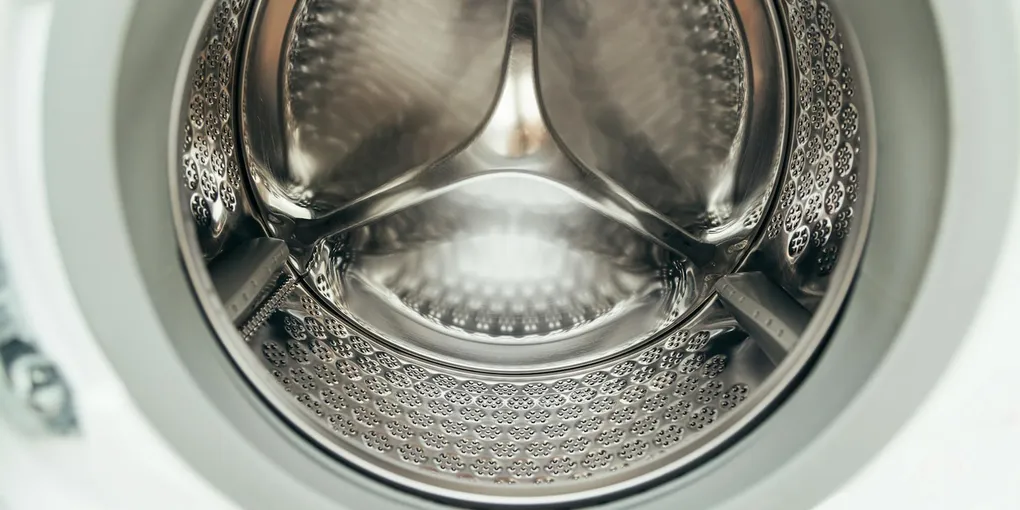
Cleaning a washing machine drum: (1) Front-load: run a hot Sanitize or Tub Clean cycle with a washing machine cleaner tablet (Affresh, OxiClean) or 2 cups white vinegar. Clean the door gasket separately — pull back the rubber seal and wipe with diluted bleach (1 tablespoon per quart of water); mold hides in the folds. Leave the door ajar between washes. (2) Top-load: fill with hot water on the largest load setting, add 2 cups white vinegar, pause and let soak 1 hour, then finish the cycle. Follow with a second cycle with 1/2 cup baking soda. Clean monthly to prevent odors; the gasket needs weekly wiping on front-load machines.
Frequently Asked Questions
Why does my washing machine smell musty?
The musty smell is almost always mold or mildew growing inside the drum, on the door gasket, or in the detergent dispenser. Front-load washers are especially prone to this because the rubber door seal traps moisture after every cycle. Using too much detergent makes it worse — residue builds up and feeds mold growth.
How do I clean a front-load washer drum?
Run an empty hot-water cycle with a washing machine cleaner tablet or two cups of white vinegar in the drum. Before the cycle, scrub the rubber door gasket with a bleach-and-water solution, pulling back the folds to reach hidden mold. Remove and clean the detergent dispenser drawer separately. Leave the door open after the cycle to let the drum dry.
How do I clean a top-load washer drum?
Fill the drum with hot water on the largest load setting, add a washing machine cleaner tablet or two cups of white vinegar, and let the machine agitate for a few minutes. Pause the cycle and let it soak for 30 to 60 minutes, then complete the cycle. Run a second rinse cycle to flush out any residue.
What is the best cleaner for a washing machine?
Affresh washing machine cleaner tablets are the most widely recommended product and safe for both front-load and top-load machines. Bleach works well for killing mold on front-load gaskets but should not be combined with vinegar. White vinegar and baking soda are effective natural alternatives for routine maintenance.
How often should I clean my washing machine?
Run a cleaning cycle once a month. Wipe down the door gasket and leave the door open after every wash. If you notice odor or visible mold, clean immediately rather than waiting for the monthly schedule. Heavy users — families doing more than five loads per week — may need to clean every two to three weeks.
How do I prevent mold in a front-load washer?
Leave the door ajar after every cycle to allow the drum and gasket to air dry. Remove wet laundry promptly instead of leaving it to sit. Use HE detergent and the recommended amount — excess suds are the primary driver of mold buildup. Wipe the gasket dry with a towel after each load if you want to be thorough.
Can I use bleach and vinegar together to clean a washing machine?
Never use bleach and vinegar at the same time — mixing them produces chlorine gas. If you want to use both, run a bleach cleaning cycle first, then run a complete rinse cycle to flush all bleach residue before adding vinegar. In practice, most people don't need both: a commercial washing machine cleaner like Affresh handles detergent buildup, mold spores, and odor in a single cycle without requiring two separate chemical treatments or any mixing risk.
How do I clean the detergent dispenser drawer in a washing machine?
Remove the drawer completely — most front-load machines have a release tab (usually a button or tab inside the left softener compartment) that lets you pull the drawer all the way out. Soak it in hot water with a few drops of dish soap for 15-20 minutes to loosen hardened detergent and fabric softener residue. Scrub every compartment with an old toothbrush, rinse thoroughly, and dry before reinserting. Also wipe out the cavity the drawer slides into — mold commonly grows there. Clean the dispenser monthly; a gunked-up drawer is a frequent cause of detergent not fully entering the drum and persistent musty odor.
Cleaning a washing machine drum: (1) Front-load: run a hot Sanitize or Tub Clean cycle with a washing machine cleaner tablet (Affresh, OxiClean) or 2 cups white vinegar. Clean the door gasket separately — pull back the rubber seal and wipe with diluted bleach (1 tablespoon per quart of water); mold hides in the folds.
Front-load washers can make your clothes smell worse coming out than they did going in. That stale, mildewy odor trapped in the drum transfers directly to your laundry, and no amount of fabric softener covers it up. The cause is almost always the same: mold growing in the rubber door seal, compounded by detergent residue coating the drum interior.
Top-load machines have fewer mold issues but still accumulate detergent buildup, mineral deposits from hard water, and bacteria over time. Left uncleaned, that buildup reduces wash effectiveness and eventually shortens the machine’s lifespan.
This guide walks through a complete deep clean for both front-load and top-load machines, along with a monthly maintenance routine that keeps odor from coming back.
Why Front-Load Washers Get So Moldy
The design of a front-load washer creates a perfect mold environment. The rubber door gasket — the thick bellows-style seal around the door opening — traps water in its folds after every cycle. The door seals shut for safety, so the moisture stays trapped. Add detergent residue as a food source and warm temperatures, and mold grows rapidly.
Two habits accelerate the problem:
Too much detergent. Front-load washers use far less water than top-loaders. Standard detergent amounts are calibrated for top-loaders — using even the “normal” line on a cup in a front-loader creates excess suds that do not rinse out fully. That residue coats the drum and gasket. Always use HE (High-Efficiency) detergent in front-loaders and use less than the cup recommends.
Leaving the door closed. If you close the door immediately after a wash, moisture is sealed in and the drum never dries. The fix is simple: leave the door open several inches after every load.
What You Will Need
- Affresh washing machine cleaner tablets
- OxiClean washing machine cleaner
- Bleach for laundry machine cleaning
- Washing machine seal mold cleaner (or make your own with bleach and water)
- Microfiber cloths
- White vinegar for cleaning
You will also need an old toothbrush or small scrub brush for gasket crevices, and a spray bottle for applying cleaning solution.
Front-Load Washer Deep Clean
Work through these steps in order. The gasket scrub comes before the drum cycle so that any mold you dislodge from the seal gets flushed through the machine in the cleaning cycle.
Step 1: Clean the Door Gasket
The gasket is the most important part and the one most people skip. Pull back the rubber folds all the way around — there are typically three or four folds — and look inside each one. You will likely find black or gray mold, soap scum, and possibly small items (coins, hair ties) that got trapped.
Mix one tablespoon of bleach with one quart of warm water in a spray bottle. Spray the gasket thoroughly, including inside every fold. Let it sit for five minutes. Use a microfiber cloth or old toothbrush to scrub the mold off the rubber. Wipe dry with a clean cloth.
For heavy mold growth, saturate paper towels with the bleach solution and press them into the gasket folds. Let them sit for 30 minutes, then scrub and wipe.
If you prefer to avoid bleach, a dedicated washing machine seal mold cleaner or undiluted white vinegar both work, though neither kills mold as effectively as diluted bleach.
Step 2: Clean the Detergent Dispenser Drawer
Pull the dispenser drawer all the way out — most front-load washers have a release tab inside the drawer that lets you remove it completely. Take it to the sink and wash it with hot water and dish soap. Use a toothbrush to scrub the compartment dividers where detergent and fabric softener residue harden. Check the cavity the drawer slides into and wipe it down with a damp cloth.
Dry the drawer before reinserting it. A clogged dispenser causes detergent to not fully enter the drum, compounding the residue problem.
Step 3: Run a Drum Cleaning Cycle
Many front-load washers have a dedicated “Drum Clean,” “Tub Clean,” or “Self-Clean” cycle. Use it if your machine has one.
If your machine does not have a dedicated cycle, set it to the hottest water setting, the heaviest load size, and the longest cycle time. Do not add any laundry.
Add a cleaning agent directly to the drum (not the dispenser): either one Affresh tablet, one cup of OxiClean, or two cups of white vinegar. Do not combine bleach and vinegar — mixing them creates chlorine gas.
If you want to use bleach instead (most effective against mold), add one cup of liquid chlorine bleach to the detergent dispenser’s main wash compartment.
Start the cycle. Let it run completely.
Step 4: Wipe Down the Drum Interior
After the cycle finishes, open the door and wipe the drum interior with a clean microfiber cloth. Pay attention to the area where the drum meets the gasket. Check the gasket again — if you see any remaining mold, repeat the bleach wipe.
Leave the door open to allow the drum to dry completely. If possible, open the dispenser drawer slightly as well to ventilate that compartment.
Step 5: Clean the Drain Pump Filter
This step is often overlooked. Front-load washers have a drain pump filter, usually located behind a small access panel at the bottom front of the machine. It traps lint, coins, and debris that would otherwise clog the pump.
Place a towel and a shallow pan under the access panel before opening it — water will come out. Unscrew the filter cap slowly, letting the water drain into your pan. Remove any debris from the filter, rinse it under the tap, and screw it back in.
A clogged filter reduces drainage performance and contributes to the musty smell by holding stagnant water.
Top-Load Washer Deep Clean
Top-loaders accumulate less mold but do build up detergent residue, mineral deposits, and bacteria in the drum and around the agitator.
Step 1: Start a Hot Fill Cycle
Set the machine to the largest load size, hottest water temperature, and a normal or heavy wash cycle. Let it fill completely with hot water.
Add your cleaning agent once the drum is full: one Affresh tablet, one cup of OxiClean, or two cups of white vinegar. For stubborn mineral buildup from hard water, add one cup of baking soda in addition to the vinegar.
Let the machine agitate for two to three minutes to distribute the cleaner.
Step 2: Pause and Soak
Open the lid to pause the cycle (this works on most traditional agitator and impeller top-loaders). Let the full drum soak for 30 to 60 minutes. This gives the cleaning solution time to break down detergent buildup on the drum walls and agitator.
After soaking, close the lid and let the cycle complete.
Step 3: Clean the Agitator and Lid Seal
While the machine soaks, use a damp microfiber cloth with a small amount of white vinegar to wipe down the top of the agitator, the underside of the lid, and the rim of the drum at the top. These surfaces accumulate detergent residue and hard water deposits that the drum cycle does not fully reach.
If your top-loader has a removable agitator cap or fabric softener dispenser built into the agitator, remove it and rinse it under the tap.
Step 4: Run a Rinse Cycle
After the cleaning cycle finishes, run an additional rinse-and-spin cycle with no cleaner added. This flushes any remaining cleaning solution and loosened buildup out of the machine. Skip this step and you may notice a vinegar smell on the next load.
Step 5: Wipe the Exterior
Wipe down the control panel, lid, and sides of the machine with a damp cloth. Clean the detergent and fabric softener dispensers (on top-loaders, these are usually built into the agitator or the drum rim) with a toothbrush if there is visible buildup.
Monthly Maintenance Schedule
After the deep clean, this routine keeps the machine clean with minimal effort:
After every load:
- Remove laundry promptly — do not let wet clothes sit in the drum
- On front-loaders, leave the door ajar and wipe the gasket dry
- Use the correct amount of HE detergent — less than the cup recommends
Weekly (front-loaders only):
- Quick wipe of the door gasket with a damp cloth
Monthly:
- Run a full drum cleaning cycle with an Affresh tablet or vinegar
- Inspect and clean the detergent dispenser drawer
- On front-loaders, check and clean the drain pump filter
Following this schedule, you should not need another deep clean for several months. If you notice the musty smell returning within a few weeks, the gasket likely has embedded mold that surface scrubbing did not reach — consider replacing the gasket if it is visibly degraded.
If you are dealing with water on the floor instead of odor, see our guide on how to fix a washing machine leak. For machines that are not draining properly — which compounds the mold problem — check how to fix a washing machine not draining.
- What You Will Need
Affresh washing machine cleaner tablets
- Front-Load Washer Deep Clean
Work through these steps in order. The gasket scrub comes before the drum cycle so that any mold you dislodge from the seal gets flushed through the machine in the cleaning cycle.
- Top-Load Washer Deep Clean
Top-loaders accumulate less mold but do build up detergent residue, mineral deposits, and bacteria in the drum and around the agitator.
- Monthly Maintenance Schedule
After the deep clean, this routine keeps the machine clean with minimal effort:
Free: 10-Point Home Maintenance Checklist
Prevent costly repairs with this seasonal checklist. Save hundreds every year by catching problems early.
Your checklist is ready!
Open Checklist →Something went wrong. View the checklist here.